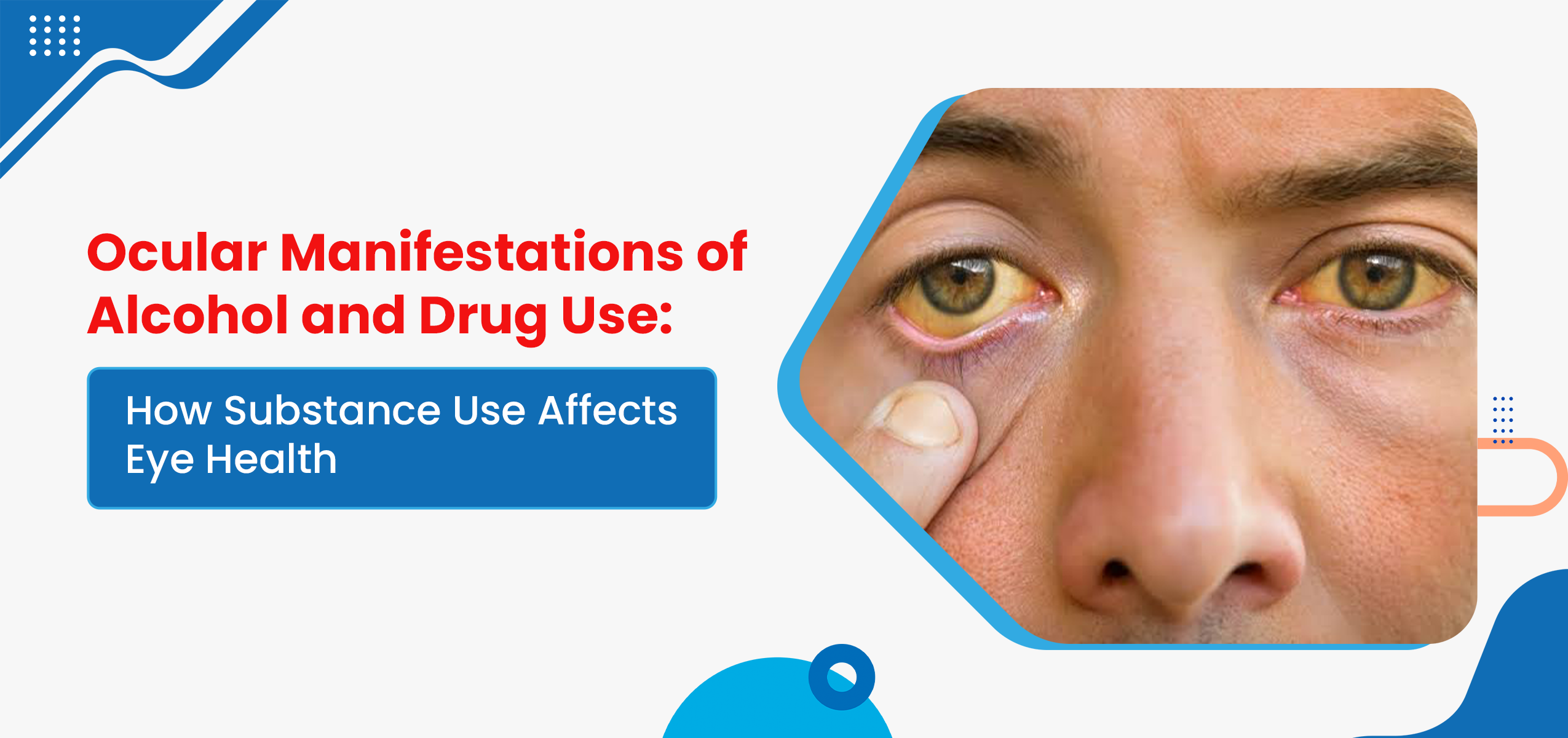
Ocular Manifestations of Alcohol and Drug Use: How Substance Use Affects Eye Health
Introduction
Our eyes can provide important clues about our overall health. While many people are aware that alcohol and drug use can affect the brain, heart, and liver, fewer realize that these substances can also have significant effects on vision and eye health.
Alcohol and recreational drugs may temporarily alter vision, while long-term or excessive use can contribute to serious eye conditions, optic nerve damage, and even permanent vision loss in some cases.
At Drishti Eye Care System, we believe that understanding how lifestyle choices affect eye health is an important step toward preserving lifelong vision.
.
How Alcohol and Drugs Affect the Eyes
The eyes and brain work together to process visual information. Alcohol and many drugs interfere with the nervous system, affecting how the eyes move, focus, and respond to light.
Depending on the substance, effects may be temporary or long-lasting.
Possible effects include:
- Blurred vision
- Double vision
- Difficulty focusing
- Dry eyes
- Dilated or constricted pupils
- Reduced depth perception
- Poor night vision
- Slower reaction time
Long-term use may increase the risk of permanent damage to the eyes or optic nerve.
Effects of Alcohol on Eye Health
Excessive alcohol consumption can affect both vision and overall eye function.
Blurred Vision
Alcohol slows communication between the brain and eyes, making it difficult to focus clearly.
This temporary blurred vision often resolves after the alcohol leaves the body but can be dangerous while driving or operating machinery.
Double Vision
Alcohol can interfere with eye muscle coordination, causing double vision (diplopia).
This occurs because the eyes may not move together properly.
Dry Eyes
Alcohol may contribute to dehydration, reducing tear production and leading to symptoms such as:
- Dryness
- Burning sensation
- Eye irritation
- Redness
People with existing dry eye disease may notice worsening symptoms.
Slower Pupil Response
Alcohol slows the pupils' response to changing light conditions.
This can make nighttime driving more difficult and increase the risk of accidents.
Nutritional Deficiencies
Long-term heavy alcohol use may contribute to deficiencies in nutrients such as vitamin B1 (thiamine) and vitamin B12, which are important for healthy nerve function.
Severe deficiencies may affect the optic nerve and lead to vision problems.
Effects of Recreational Drugs on Vision
Different drugs affect the eyes in different ways.
Cannabis (Marijuana)
Cannabis may cause:
- Red eyes
- Slower visual processing
- Reduced depth perception
- Delayed reaction time
- Difficulty focusing
These effects can impair activities such as driving.
Stimulants
Stimulant drugs may cause:
- Dilated pupils
- Increased sensitivity to light
- Eye strain
- Blurred vision
- Increased eye pressure in susceptible individuals
Opioids
Opioids commonly cause:
- Constricted pupils (pinpoint pupils)
- Reduced alertness
- Blurred vision
- Slower eye movements
Hallucinogens
Hallucinogenic substances may produce:
- Visual distortions
- Changes in color perception
- Light sensitivity
- Difficulty judging distance
These effects can significantly impair normal vision and perception.
Optic Nerve Damage
Some substances, particularly when used excessively or over long periods, may contribute to damage of the optic nerve.
Symptoms may include:
- Reduced vision
- Difficulty distinguishing colors
- Loss of contrast sensitivity
- Central vision changes
Prompt medical evaluation is important if these symptoms develop.
Eye Injuries Associated with Alcohol and Drug Use
Alcohol and drug use may also increase the risk of eye injuries because they impair judgment, coordination, and reaction time.
Possible injuries include:
- Falls
- Motor vehicle accidents
- Sports-related injuries
- Workplace accidents
- Facial trauma affecting the eyes
Protecting eye health also means reducing behaviors that increase the risk of injury.
Warning Signs That Should Not Be Ignored
Seek immediate medical attention if you experience:
- Sudden vision loss
- Persistent double vision
- Severe eye pain
- Flashing lights
- New floaters
- Sudden changes in color vision
- Eye injury following alcohol or drug use
Early evaluation may help prevent permanent vision loss.
Protecting Your Eye Health
Maintaining healthy eyes involves making informed lifestyle choices.
Helpful habits include:
- Limit or avoid excessive alcohol consumption.
- Avoid recreational drug use.
- Eat a balanced diet rich in vitamins and antioxidants.
- Stay well hydrated.
- Wear protective eyewear during sports and hazardous activities.
- Manage chronic medical conditions.
- Schedule regular comprehensive eye examinations.
Healthy lifestyle choices benefit both your vision and overall well-being.
The Importance of Regular Eye Examinations
Routine eye examinations can help detect:
- Optic nerve damage
- Retinal disease
- Glaucoma
- Cataracts
- Dry eye disease
- Other vision-threatening conditions
Many eye diseases develop without noticeable symptoms in their early stages, making preventive eye care especially important.
How Drishti Eye Care System Can Help
At Drishti Eye Care System, we provide comprehensive eye care for patients experiencing vision changes from any cause.
Our services include:
- Comprehensive eye examinations
- Retinal evaluation
- Optic nerve assessment
- Glaucoma screening
- Dry eye evaluation
- Cataract assessment
- Vision rehabilitation guidance
- Personalized treatment and follow-up care
Our experienced ophthalmologists are dedicated to protecting your vision through early diagnosis, patient education, and advanced treatment.
Call to Action
Your eyes reflect your overall health, and lifestyle choices can have a lasting impact on your vision.
If you notice changes in your eyesight or are concerned about your eye health, schedule a comprehensive eye examination at Drishti Eye Care System.
📞 Call: +977-9801445222
🌐 Website: drishtieye.org
Drishti Eye Care System — Helping You Protect Your Vision for Life.