LASIK Surgery: The Gold Standard in Vision Correction
LASIK (Laser-Assisted In Situ Keratomileusis) is one of the most widely performed refractive surgeries globally. Renowned for its precision, safety, and quick recovery, LASIK has helped millions achieve clear vision and reduced dependence on glasses or contact lenses. This comprehensive article explores the procedure in detail, including its usage, indications, contraindications, precautions, results, and a helpful FAQ section.
What is LASIK Surgery?
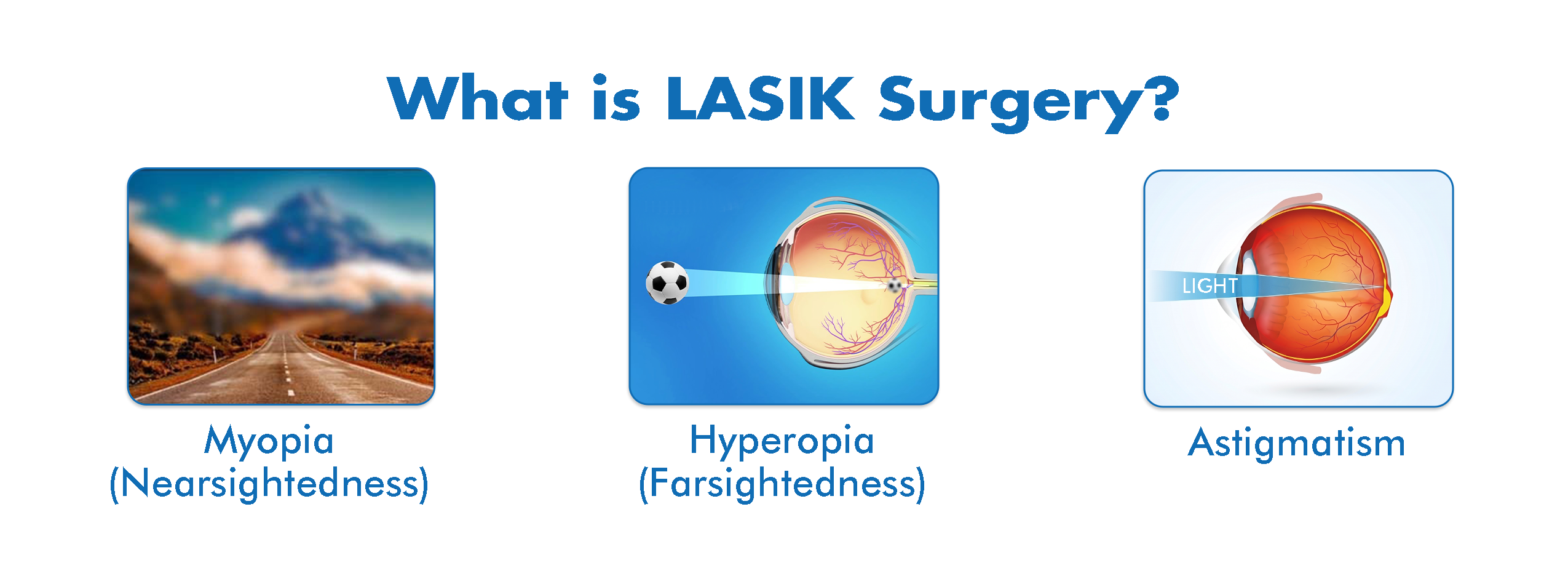
LASIK is a refractive surgical procedure that reshapes the cornea to correct how light enters and focuses on the retina. It is particularly effective in addressing the following refractive errors:
- Myopia (Nearsightedness): Difficulty in seeing distant objects clearly.
- Hyperopia (Farsightedness): Trouble focusing on close objects.
- Astigmatism: Blurred or distorted vision caused by an irregular corneal shape.
The hallmark of LASIK is its two-step approach: creating a corneal flap and reshaping the underlying corneal tissue with a laser.
Usage of LASIK Surgery
LASIK is primarily used to:
- Correct refractive errors and reduce dependence on corrective eyewear.
- Improve vision for personal and professional needs, such as sports or jobs requiring precise vision.
- Offer a reliable, long-term solution for those experiencing contact lens intolerance.
The LASIK Procedure: Step-by-Step
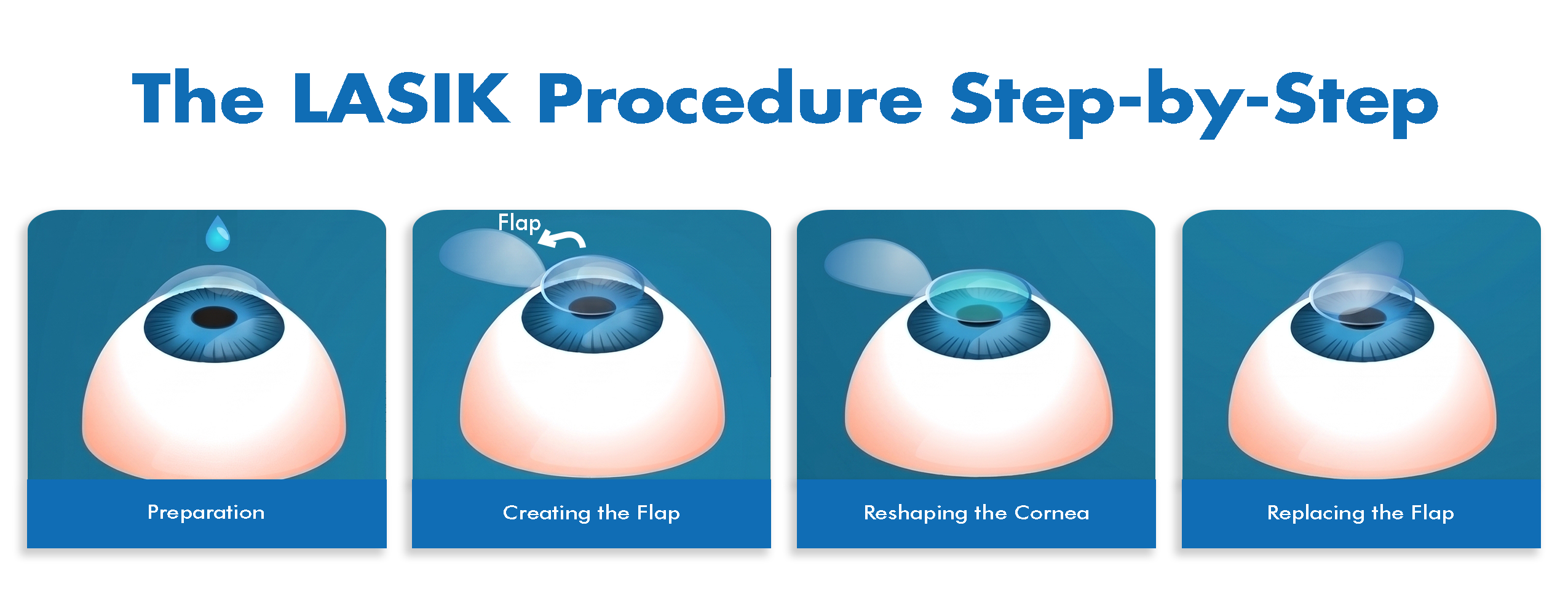
- Preparation:
- Numbing eye drops are applied to ensure a painless experience.
- The patient is positioned under the laser system.
- Creating the Flap:
- A femtosecond laser or a microkeratome is used to create a thin, hinged flap on the corneal surface.
- Reshaping the Cornea:
- An excimer laser removes microscopic layers of corneal tissue to reshape it for optimal light refraction.
- Replacing the Flap:
- The corneal flap is repositioned without the need for stitches, as it adheres naturally.
The entire procedure typically takes 10-15 minutes per eye.
Indications for LASIK Surgery
LASIK is suitable for individuals who meet these criteria:
- Age: 18 years or older with a stable prescription for at least one year.
- Refractive Error Range:
- Myopia up to -8.00 diopters
- Hyperopia up to +6.00 diopters
- Astigmatism up to ±6.00 diopters
- Good Eye Health: No active infections, cataracts, or severe dry eye syndrome.
- Desire to Reduce Eyewear Dependence: Particularly suitable for athletes, professionals, or individuals with active lifestyles.
Contraindications of LASIK Surgery
LASIK may not be appropriate for individuals with:
- Autoimmune Disorders: Such as rheumatoid arthritis or lupus.
- Corneal Conditions: Thin, irregular, or unstable corneas.
- Pregnancy or Breastfeeding: Hormonal changes can temporarily affect vision.
- Unstable Vision: Fluctuating prescriptions or progressive refractive errors.
- Severe Dry Eyes: Which can worsen post-surgery.
Precautions Before LASIK Surgery
- Avoid Contact Lenses: Soft lenses should be avoided for at least 2 weeks, and rigid lenses for at least 3-4 weeks before surgery.
- Inform About Medical History: Share details of medications and past eye surgeries with your doctor.
- Refrain from Makeup: Avoid makeup, lotions, or perfumes on the day of surgery to reduce infection risk.
Precautions After LASIK Surgery
- Use Prescribed Medications: Antibiotic and anti-inflammatory eye drops help prevent infections and reduce inflammation.
- Avoid Rubbing Eyes: This can displace the corneal flap during the early healing period.
- Protect Eyes: Wear sunglasses outdoors and protective goggles during sleep.
- Limit Screen Time: Reduce strain by avoiding prolonged screen exposure.
- Attend Follow-Up Visits: Regular check-ups are essential to monitor healing progress.
Results of LASIK Surgery
LASIK has a high success rate, with over 96% of patients achieving 20/20 vision or better.
- Immediate Improvements: Vision often improves within 24 hours, with continued enhancements over a week.
- Longevity of Results: The effects are permanent, although age-related vision changes (presbyopia) may occur later in life.
Risks and Complications of LASIK
While rare, LASIK surgery may have some risks:
- Dry Eyes: Temporary dryness is common and managed with artificial tears.
- Glare or Halos: Especially at night, but these usually diminish over time.
- Flap Complications: Rare cases of flap displacement or infection.
- Undercorrection/Overcorrection: Enhancements may be needed in some cases.
Advantages of LASIK Surgery
- Quick Recovery: Most patients resume daily activities within 1-2 days.
- Minimal Discomfort: The procedure is painless, and post-surgery discomfort is temporary.
- Customizable Treatment: Wavefront-guided LASIK tailors the procedure to individual eye anatomy.
Cost Considerations
The cost of LASIK typically ranges between 60,000 and 100,000 per eye, depending on the surgeon’s expertise, technology used, and geographic location.
Conclusion
LASIK surgery offers a life-changing opportunity to achieve clear vision and eliminate the dependence on corrective eyewear. With its high success rate, minimal risks, and rapid recovery, LASIK remains the gold standard in vision correction. Consult with an experienced surgeon to determine if LASIK is right for you and take the first step toward a glasses-free life.