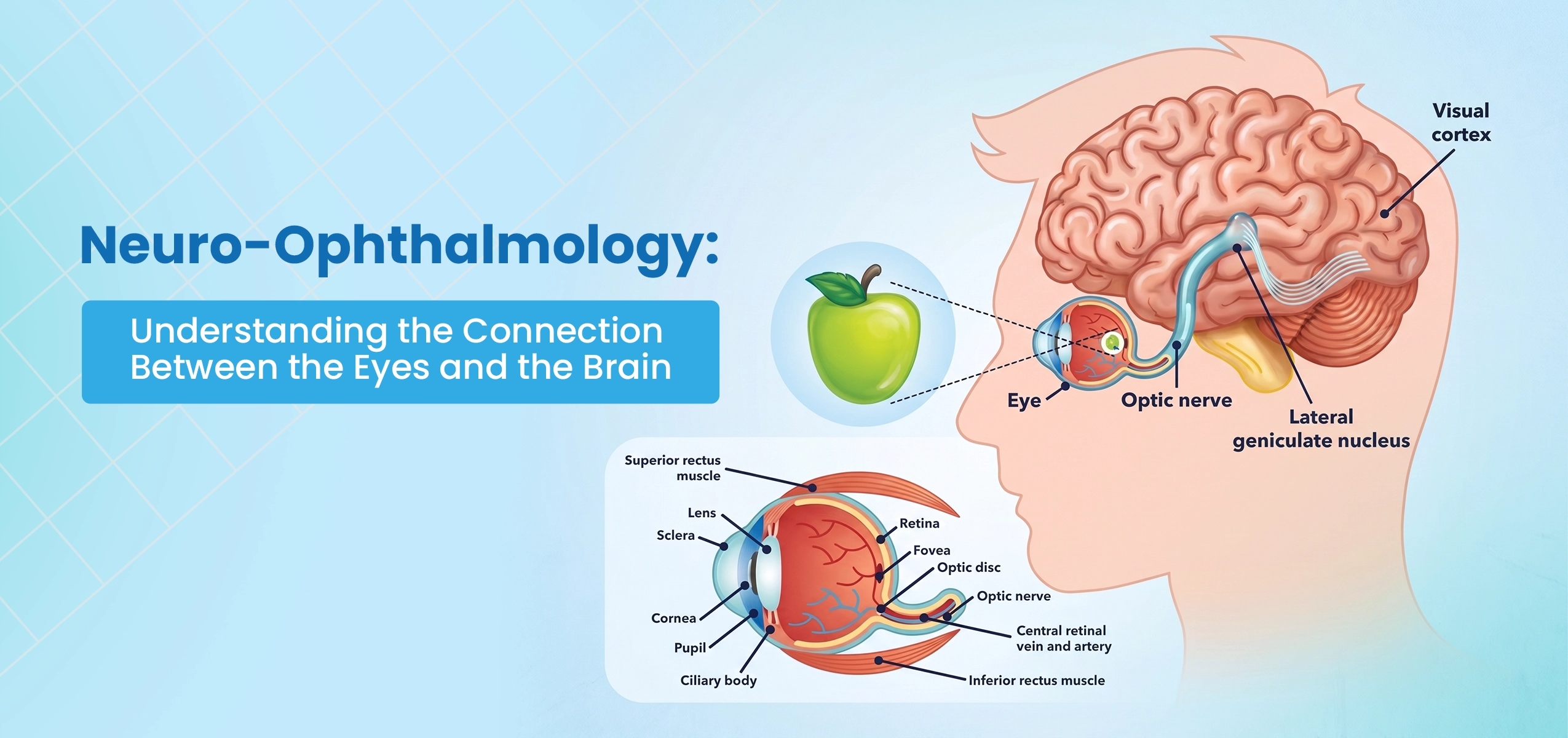
Neuro-Ophthalmology: Understanding the Connection Between the Eyes and the Brain
Introduction
Vision is much more than just healthy eyes. The ability to see clearly depends on a complex partnership between the eyes, optic nerves, and the brain. Even if your eyes are healthy, problems affecting the nervous system can interfere with how visual information is processed, leading to changes in vision.
Neuro-ophthalmology is a specialized field that focuses on diagnosing and treating vision problems caused by disorders of the brain, optic nerves, and nervous system.
Many neuro-ophthalmic conditions may be the first sign of serious health issues such as stroke, brain tumors, multiple sclerosis, or increased pressure inside the skull. Early diagnosis and treatment are essential to protect both vision and overall health.
At Drishti Eye Care System, our specialists work closely with neurologists and other healthcare professionals to provide comprehensive care for patients with neuro-ophthalmic conditions.
What Is Neuro-Ophthalmology?
Neuro-ophthalmology is a subspecialty of ophthalmology that deals with visual problems related to the nervous system.
It focuses on conditions affecting:
- Optic nerves
- Brain pathways responsible for vision
- Eye movement nerves
- Visual processing centers
- Pupillary reflexes
Unlike common eye conditions such as cataracts or refractive errors, neuro-ophthalmic disorders often involve communication between the eyes and the brain.
How the Eyes and Brain Work Together
When light enters the eye, it is converted into electrical signals by the retina.
These signals travel through:
- Optic nerve
- Optic chiasm
- Optic tract
- Visual pathways
- Visual cortex in the brain
Any interruption along this pathway may lead to vision problems, even if the eye itself appears normal.
Common Neuro-Ophthalmic Disorders
Optic Neuritis
Optic neuritis is inflammation of the optic nerve.
Common symptoms include:
- Sudden vision loss
- Pain during eye movement
- Reduced color vision
- Blurred vision
It may be associated with conditions such as multiple sclerosis.
Papilledema
Papilledema is swelling of the optic nerve caused by increased pressure inside the skull.
Symptoms may include:
- Headaches
- Blurred vision
- Double vision
- Temporary vision loss
- Nausea and vomiting
Papilledema requires urgent medical evaluation.
Ischemic Optic Neuropathy
This condition occurs when blood flow to the optic nerve is reduced.
Symptoms include:
- Sudden painless vision loss
- Reduced visual field
- Difficulty seeing details
Risk factors include high blood pressure, diabetes, and cardiovascular disease.
Cranial Nerve Palsies
The nerves controlling eye movements may become damaged.
Symptoms include:
- Double vision
- Difficulty moving the eyes
- Drooping eyelid (ptosis)
- Misaligned eyes
Causes include diabetes, stroke, trauma, infections, and neurological disorders.
Visual Field Defects
Damage to the brain's visual pathways may result in partial loss of the visual field.
Patients may notice:
- Missing areas in vision
- Difficulty reading
- Bumping into objects
- Loss of side vision
Stroke and brain tumors are common causes.
Idiopathic Intracranial Hypertension (IIH)
This condition involves increased pressure around the brain without an obvious cause.
Symptoms include:
- Persistent headaches
- Blurred vision
- Temporary vision loss
- Ringing in the ears
- Papilledema
Early treatment helps prevent permanent optic nerve damage.
Common Symptoms That Require Neuro-Ophthalmic Evaluation
Seek medical attention if you experience:
- Sudden vision loss
- Double vision
- Persistent blurred vision
- Loss of peripheral vision
- Difficulty moving the eyes
- Drooping eyelids
- Severe headaches with visual symptoms
- Changes in color vision
- Temporary episodes of vision loss
Some symptoms may indicate serious neurological conditions that require urgent evaluation.
How Are Neuro-Ophthalmic Conditions Diagnosed?
Diagnosis begins with a detailed medical history and comprehensive eye examination.
Your ophthalmologist may perform:
- Visual acuity testing
- Visual field testing
- Color vision assessment
- Pupil examination
- Eye movement evaluation
- Dilated retinal examination
- Optic nerve assessment
- Optical Coherence Tomography (OCT)
Additional investigations may include:
- MRI or CT scan of the brain and orbits
- Blood tests
- Neurological examination
- Lumbar puncture (in selected cases)
Collaboration with a neurologist may be necessary depending on the underlying condition.
Treatment of Neuro-Ophthalmic Disorders
Treatment depends on the underlying cause.
Options may include:
- Corticosteroid therapy
- Medications to reduce intracranial pressure
- Treatment of diabetes or hypertension
- Antibiotics or antiviral medications for infections
- Surgery for tumors or certain neurological conditions
- Prism glasses for double vision
- Vision rehabilitation
- Regular monitoring of optic nerve health
Early diagnosis greatly improves the chances of preserving vision.
Can Neuro-Ophthalmic Disorders Be Prevented?
Not all conditions can be prevented, but you can reduce your risk by:
- Controlling diabetes and high blood pressure
- Avoiding smoking
- Maintaining a healthy weight
- Exercising regularly
- Managing cholesterol levels
- Seeking prompt care for sudden vision changes
- Attending regular comprehensive eye examinations
Early detection often prevents permanent vision loss.
How Drishti Eye Care System Can Help
At Drishti Eye Care System, we provide comprehensive evaluation for patients experiencing vision problems related to the nervous system.
Our services include:
- Comprehensive neuro-ophthalmic evaluation
- Optic nerve assessment
- Visual field testing
- Optical Coherence Tomography (OCT)
- Advanced retinal imaging
- Management of optic nerve disorders
- Coordination with neurologists and physicians
- Long-term monitoring of neuro-ophthalmic conditions
Our experienced ophthalmologists use advanced diagnostic technology to identify complex vision problems and develop personalized treatment plans.
Call to Action
Changes in vision can sometimes be a sign of more than an eye problem.
If you experience sudden vision loss, double vision, or persistent visual disturbances, seek prompt evaluation at Drishti Eye Care System.
Our experienced team is dedicated to protecting both your vision and your overall neurological health.
📞 Call: +977-9801445222
🌐 Website: drishtieye.org
Drishti Eye Care System — Expert Eye Care for Complex Vision and Neurological Disorders.