Introduction
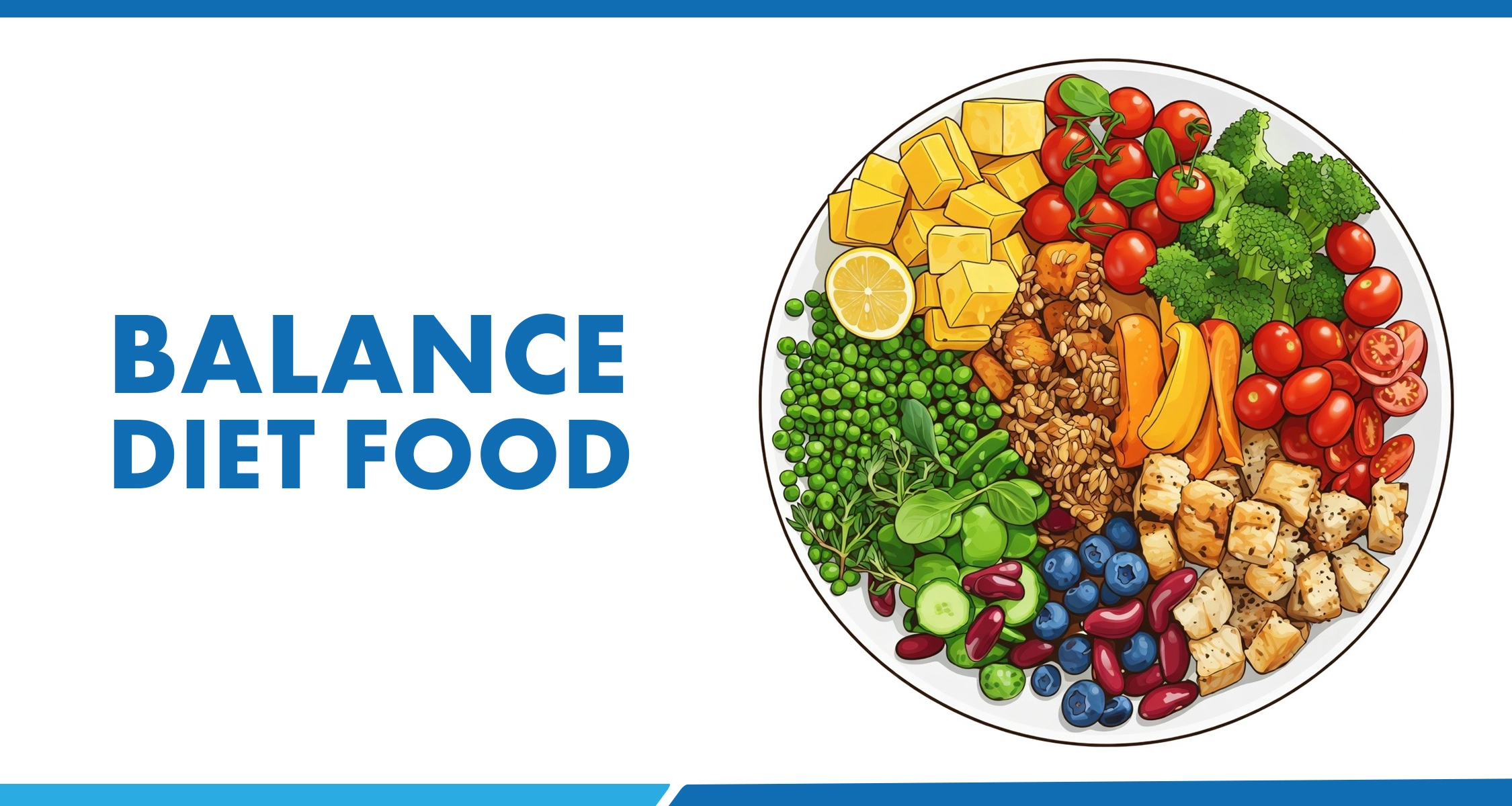
Your eyes rely on a variety of nutrients to function properly and stay healthy throughout your life. While a balanced diet is the best way to obtain these nutrients, certain vitamins and supplements may help support eye health, especially for people at risk of age-related eye diseases.
However, not all supplements are necessary for everyone, and they should never replace a healthy lifestyle or regular eye examinations.
At Drishti Eye Care System, we believe that good nutrition, preventive eye care, and timely treatment work together to preserve healthy vision. In this guide, we'll explore the key vitamins and supplements that support eye health and who may benefit from them.
Why Are Vitamins Important for Eye Health?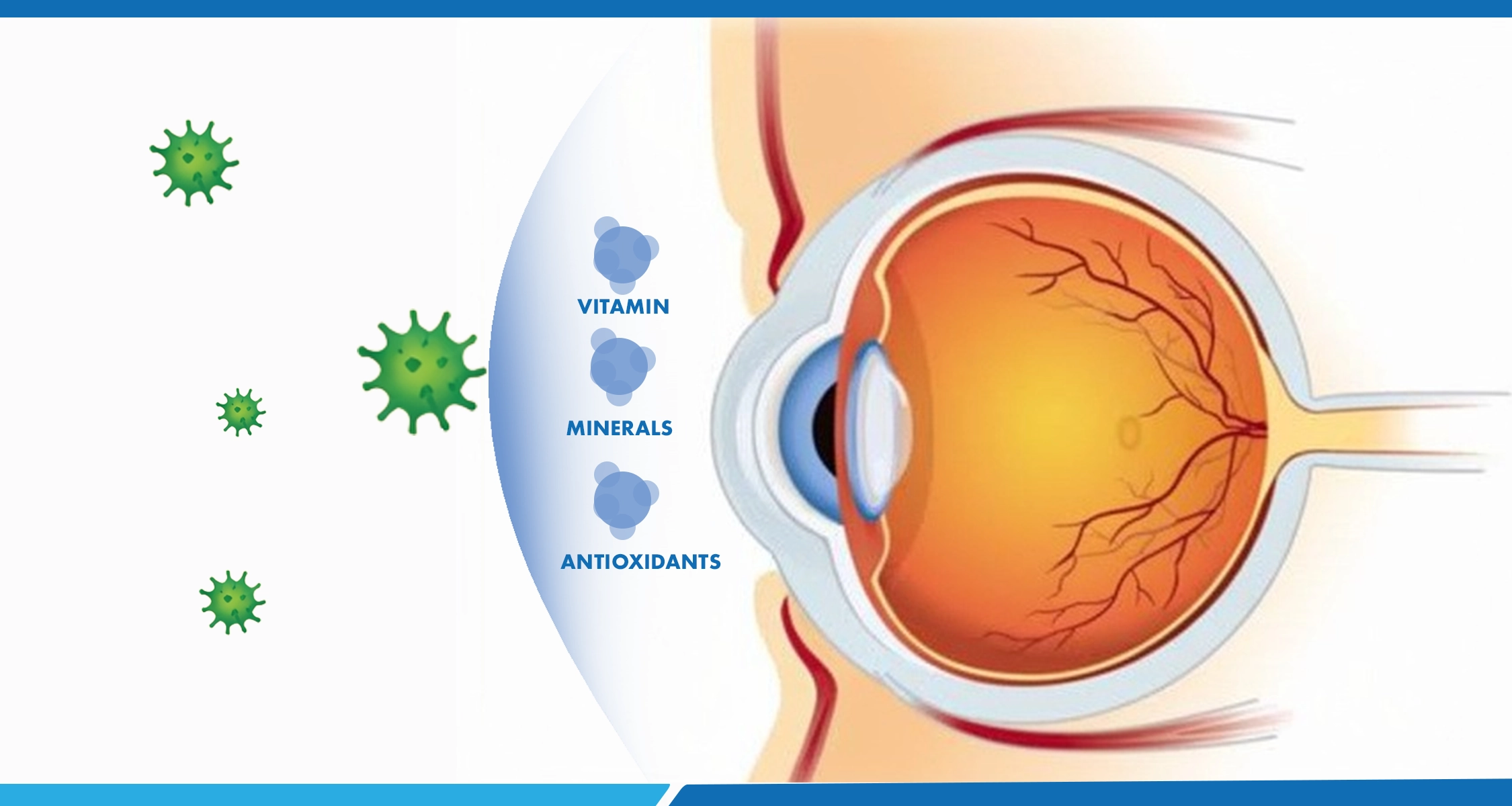
The eyes are constantly exposed to light, environmental pollutants, and oxidative stress. Vitamins, minerals, and antioxidants help:
- Protect eye tissues from oxidative damage
- Support healthy vision
- Maintain retinal function
- Reduce inflammation
- Promote tear production and eye comfort
- Support normal healing and immune function
Eating a nutrient-rich diet is one of the best ways to maintain lifelong eye health.
Essential Vitamins for Healthy Eyes
Vitamin A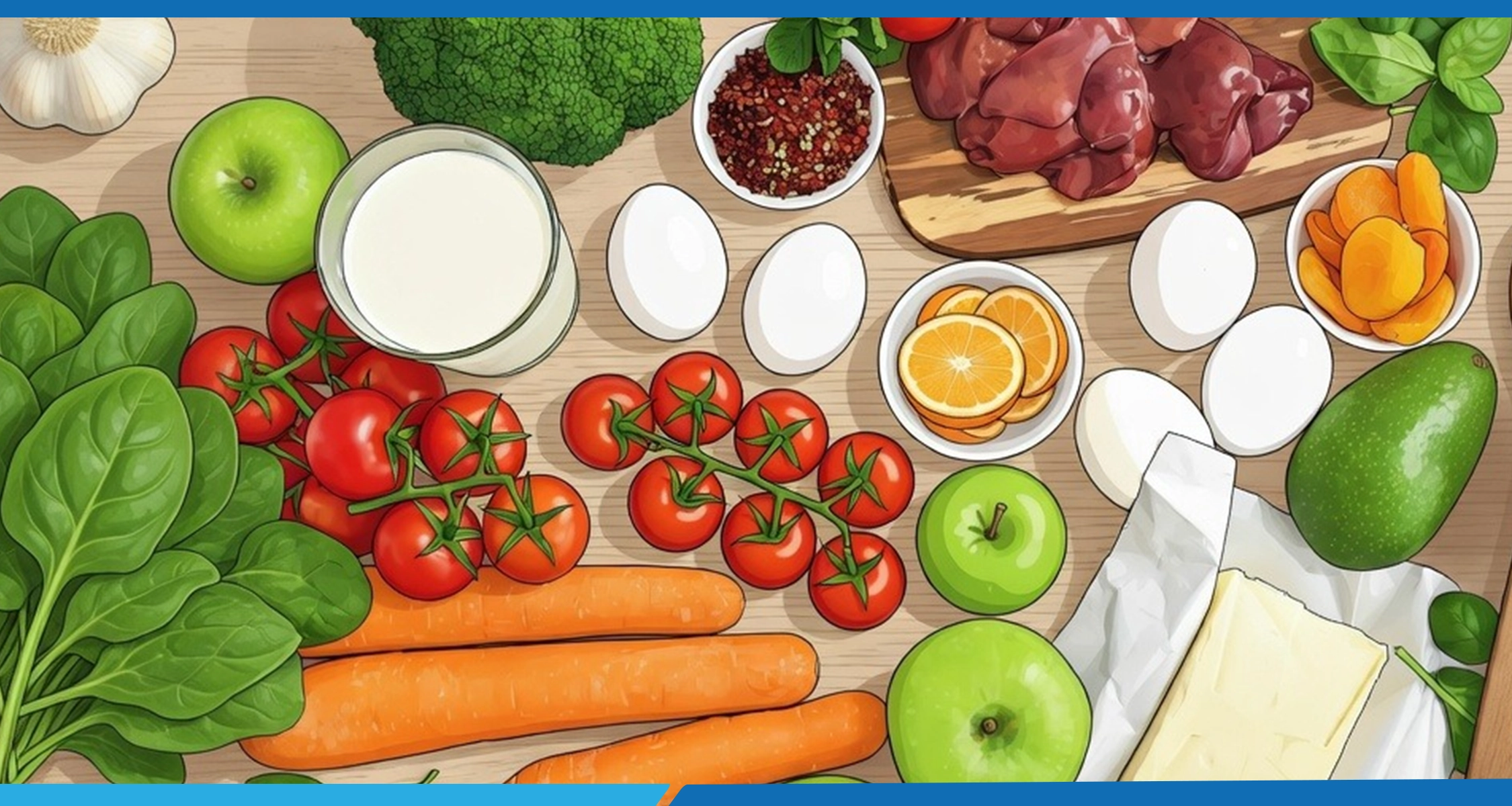
Vitamin A is essential for maintaining healthy vision, especially in low-light conditions.
Benefits:
- Supports night vision
- Maintains the cornea
- Helps prevent vitamin A deficiency-related vision problems
- Supports the eye's protective surface
Food Sources:
- Carrots
- Sweet potatoes
- Spinach
- Kale
- Pumpkin
- Liver
- Eggs
A severe vitamin A deficiency can lead to night blindness and other serious eye conditions.
Vitamin C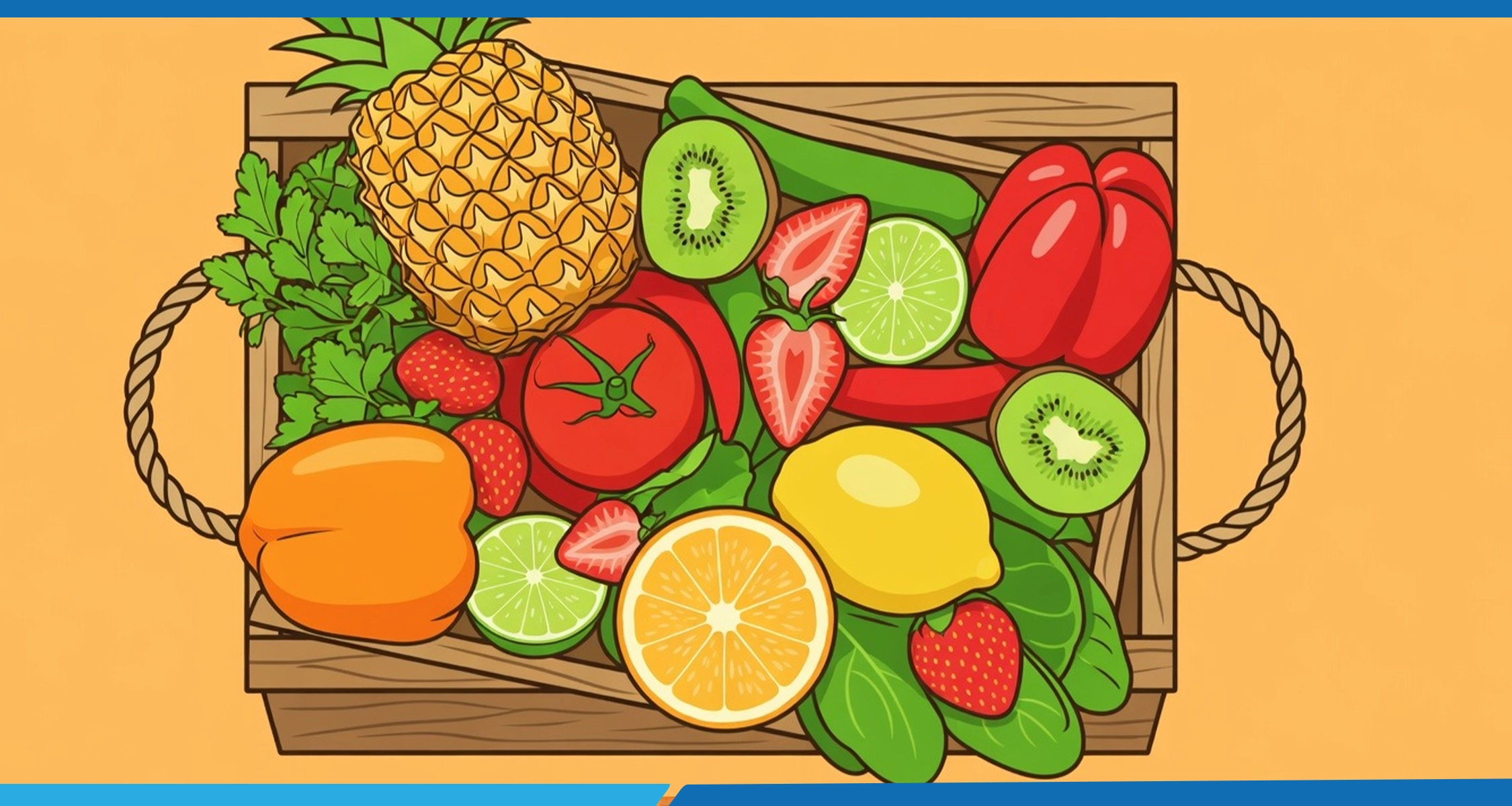
Vitamin C is a powerful antioxidant that helps protect eye tissues from damage caused by free radicals.
Benefits:
- Supports healthy blood vessels in the eye
- Promotes collagen production
- May help reduce the risk of cataracts
- Supports overall eye health
Food Sources:
- Oranges
- Lemons
- Kiwi
- Strawberries
- Bell peppers
- Broccoli
Vitamin E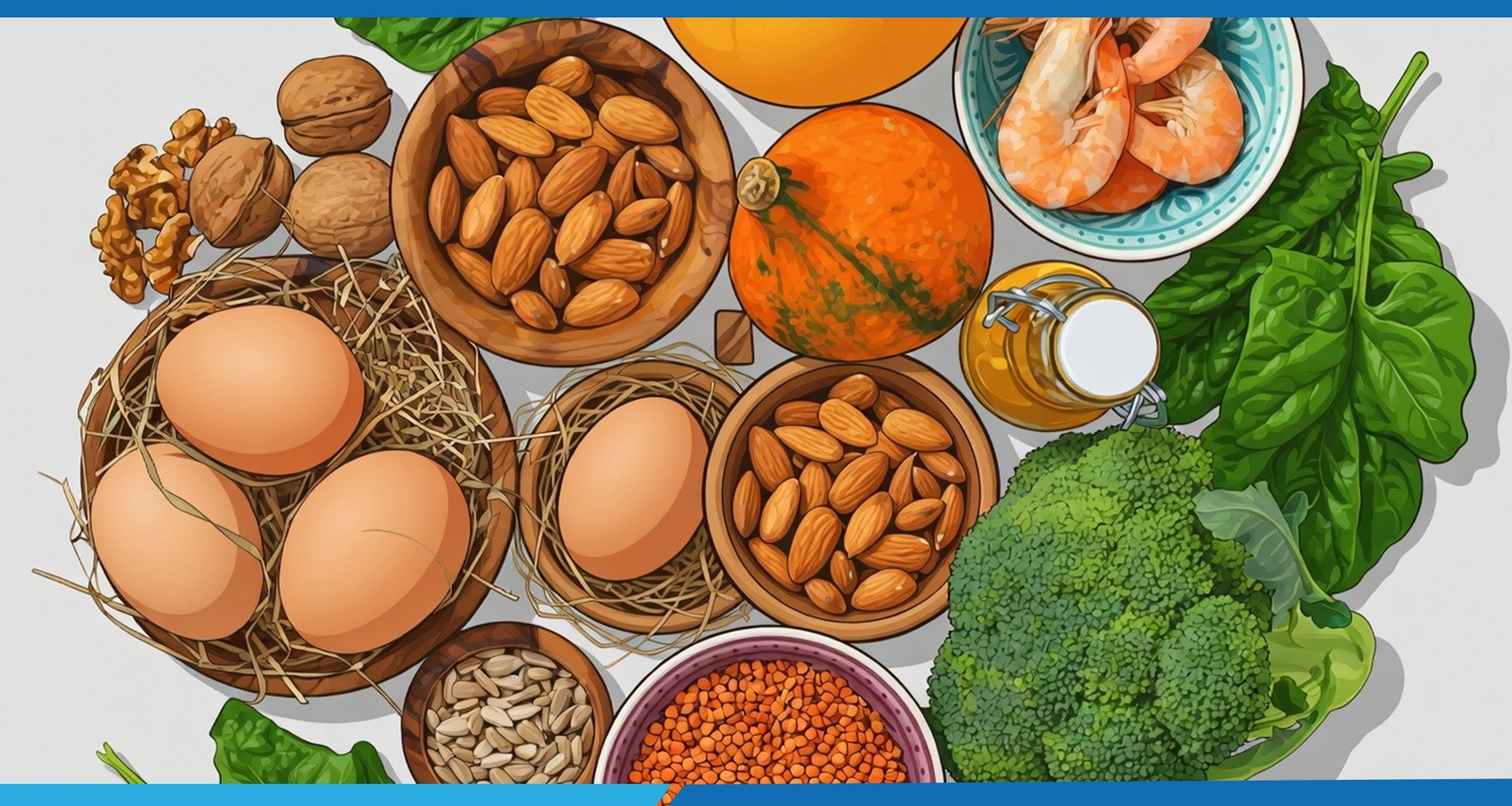
Vitamin E helps protect cells from oxidative stress.
Benefits:
- Protects retinal cells
- Supports healthy aging of the eyes
- Works together with other antioxidants
Food Sources:
- Almonds
- Sunflower seeds
- Hazelnuts
- Peanuts
- Vegetable oils
Important Minerals for Eye Health
Zinc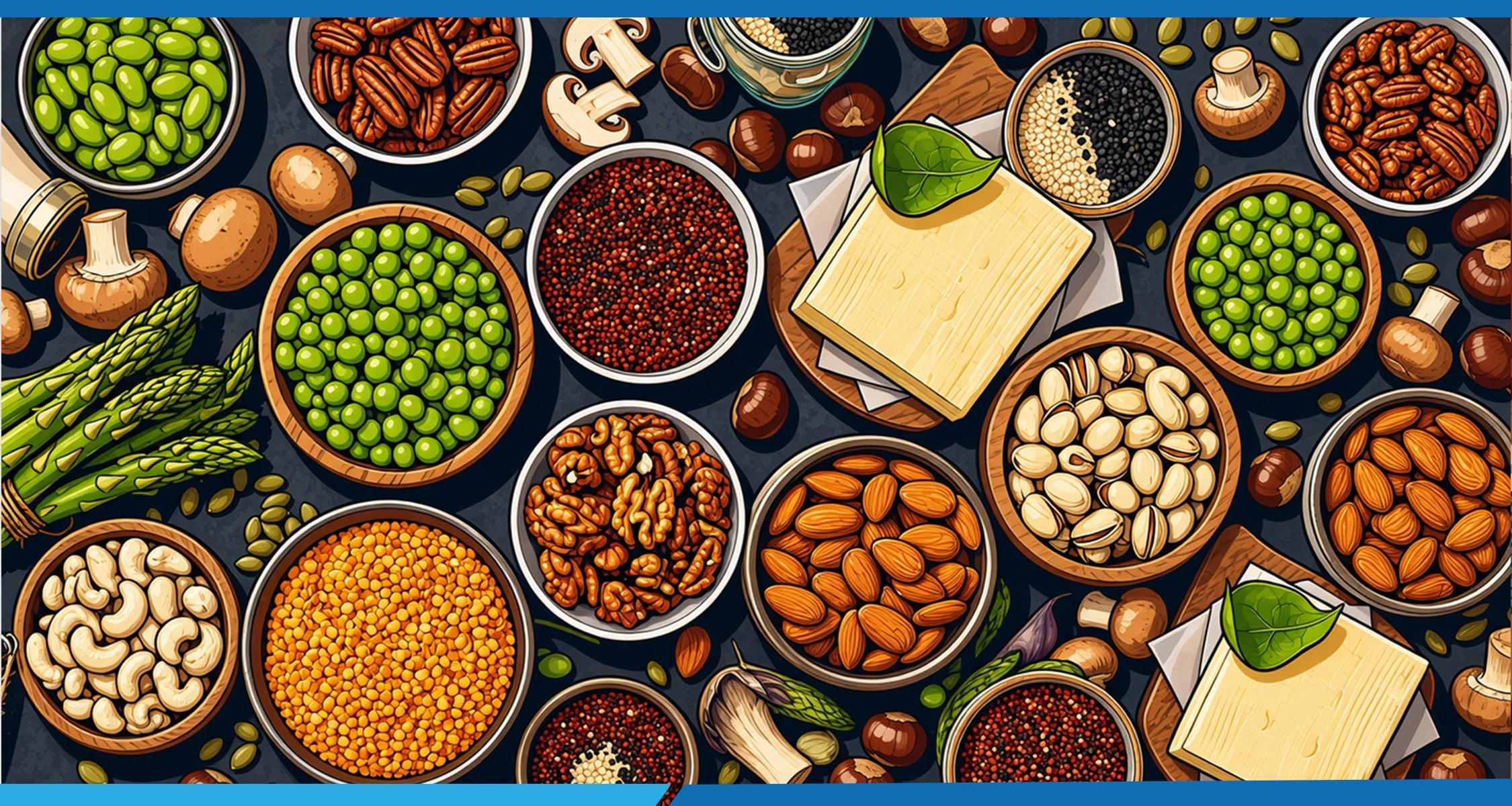
Zinc plays a vital role in transporting vitamin A from the liver to the retina.
Benefits:
- Supports retinal health
- Helps maintain night vision
- Supports immune function
Food Sources:
- Seafood
- Lean meat
- Beans
- Chickpeas
- Nuts
- Dairy products
Copper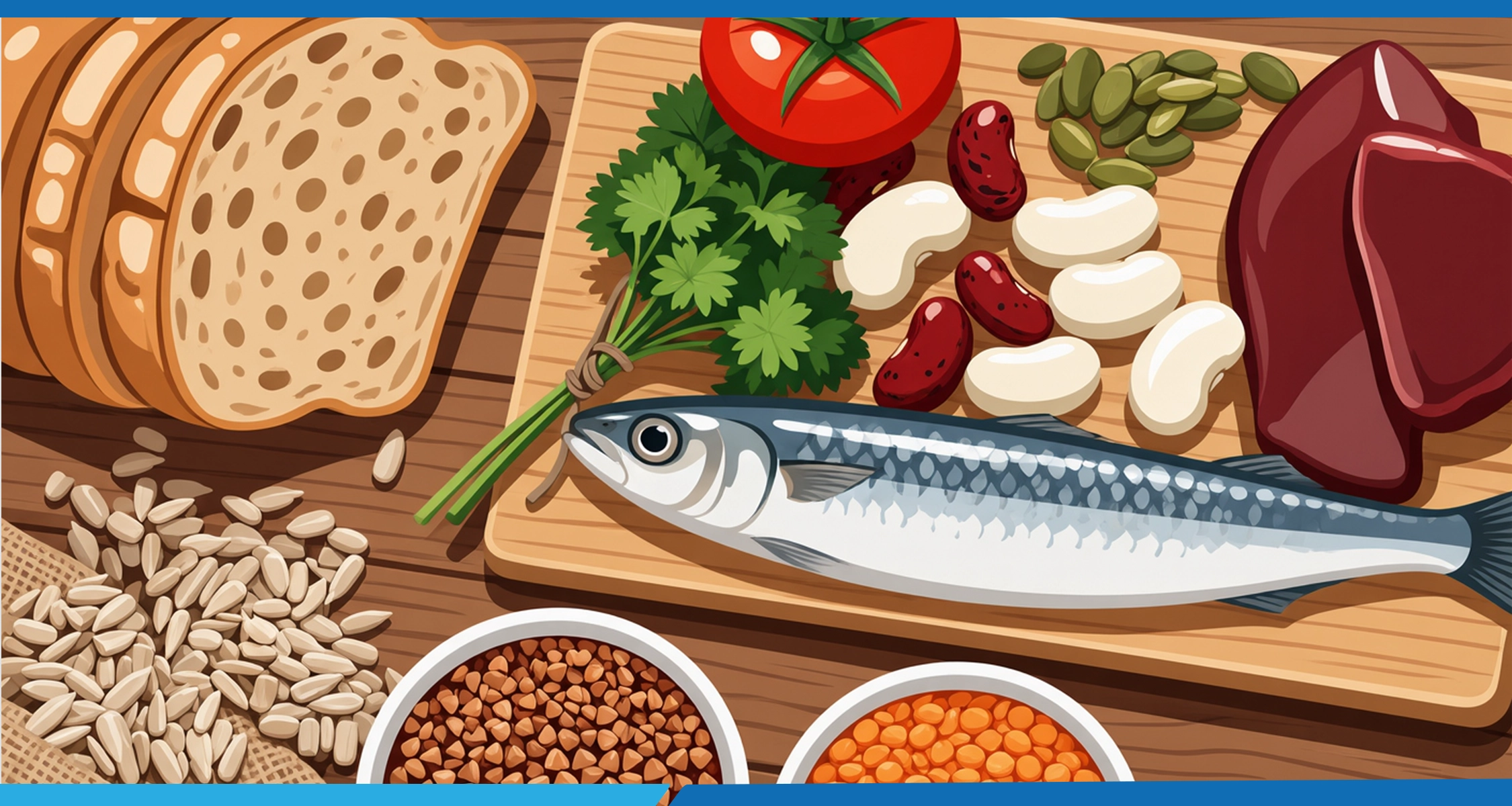
Copper works alongside zinc to maintain a healthy balance of minerals in the body.
Many eye health supplements include copper when zinc is present in higher amounts.
Carotenoids That Support Vision
Lutein
Lutein is a natural antioxidant concentrated in the macula, the central part of the retina responsible for detailed vision.
Benefits:
- Helps filter harmful blue light
- Protects retinal cells
- Supports macular health
Food Sources:
- Spinach
- Kale
- Broccoli
- Peas
- Corn
Zeaxanthin
Zeaxanthin works closely with lutein to protect the retina from oxidative damage.
Together, they support healthy central vision.
Food Sources:
- Orange peppers
- Corn
- Egg yolks
- Spinach
Omega-3 Fatty Acids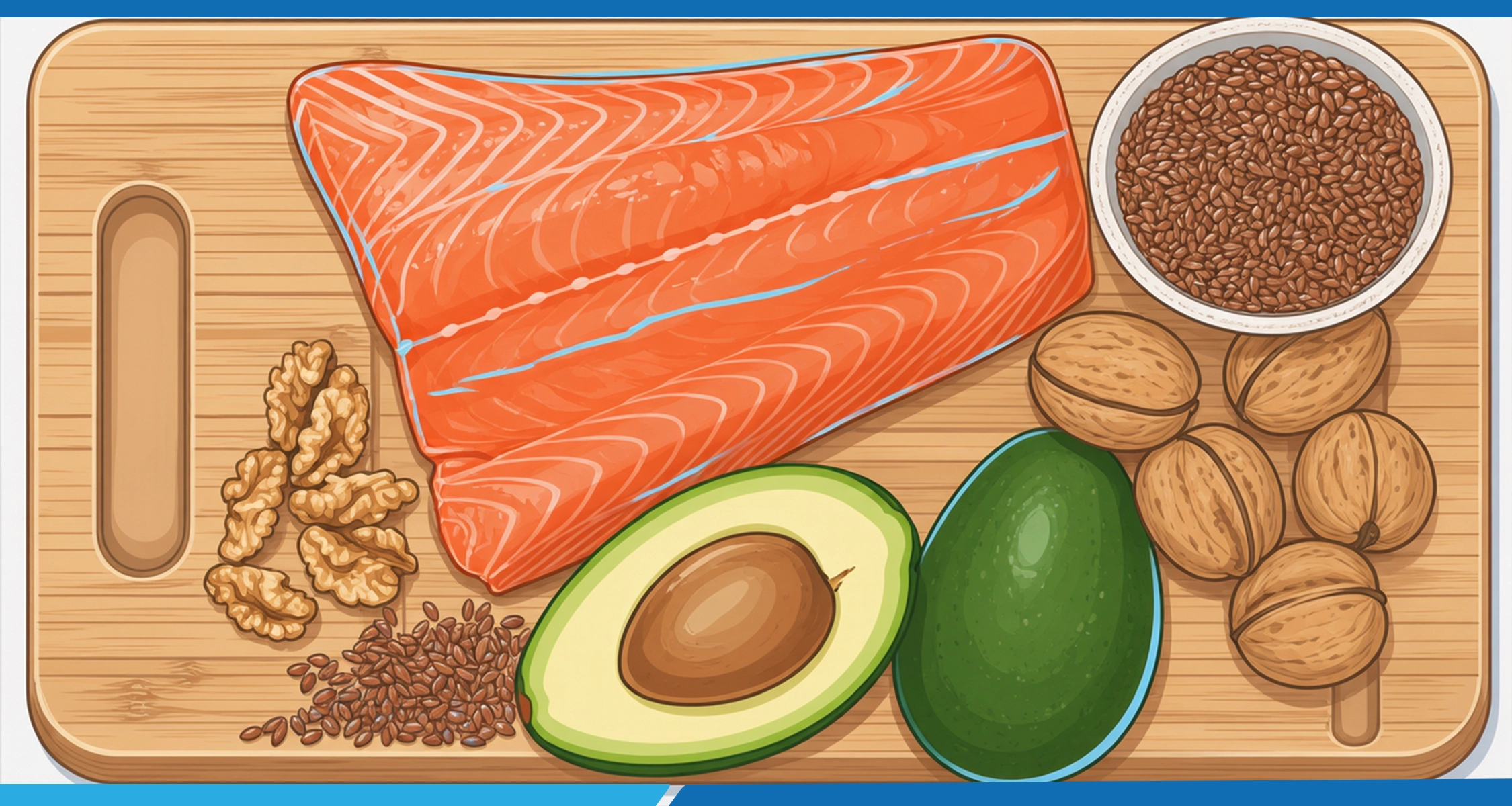
Omega-3 fatty acids are important for maintaining the health of the retina and tear film.
Benefits:
- Supports retinal function
- May improve symptoms of dry eye
- Helps reduce inflammation
- Supports overall eye comfort
Food Sources:
- Salmon
- Sardines
- Mackerel
- Tuna
- Walnuts
- Flaxseeds
- Chia seeds
Do Eye Supplements Prevent Eye Diseases?
Eye supplements are not a cure for eye diseases.
However, research has shown that certain nutritional supplements may help slow the progression of age-related macular degeneration (AMD) in people with intermediate or advanced disease when taken under the guidance of an eye care professional.
For most healthy individuals, a balanced diet remains the preferred source of nutrients.
Who May Benefit from Eye Supplements?
Your ophthalmologist may recommend supplements if you have:
- Intermediate or advanced age-related macular degeneration
- Poor dietary intake
- Vitamin deficiencies
- Certain retinal conditions
- Increased nutritional needs due to aging
Supplements should only be taken after professional medical advice, especially if you have underlying health conditions or take other medications.
Can Too Many Vitamins Be Harmful?
Yes.
Taking excessive amounts of certain vitamins and minerals may cause side effects.
For example:
- Too much vitamin A may be toxic.
- Excess vitamin E may increase the risk of bleeding in some individuals.
- High doses of zinc may cause stomach upset or interfere with copper absorption.
Always follow your healthcare provider's recommendations and avoid self-medicating with high-dose supplements.
Healthy Lifestyle Habits That Support Eye Health
In addition to good nutrition:
- Eat a colorful, balanced diet.
- Schedule regular comprehensive eye examinations.
- Wear UV-protective sunglasses outdoors.
- Follow the 20-20-20 rule during screen use.
- Avoid smoking.
- Control diabetes, blood pressure, and cholesterol.
- Exercise regularly.
- Get enough sleep and stay hydrated.
These habits work together to support lifelong vision.
How Drishti Eye Care System Can Help
At Drishti Eye Care System, we provide comprehensive eye care tailored to your individual needs.
Our services include:
- Comprehensive eye examinations
- Nutritional guidance for eye health
- Retina and macular disease evaluation
- Dry eye assessment
- Cataract evaluation
- Diabetic eye screening
- Personalized treatment plans
- Ongoing monitoring of age-related eye conditions
Our experienced ophthalmologists can help determine whether dietary changes or supplements may be appropriate for your eye health.
Call to Action
Healthy eyes begin with healthy habits.
Eat a balanced diet, schedule regular eye examinations, and seek expert advice before taking eye supplements.
At Drishti Eye Care System, we're committed to helping you protect your vision through comprehensive eye care and personalized guidance.
📞 Call: +977-9801445222
🌐 Website: drishtieye.org
Drishti Eye Care System — Nourishing Healthy Vision for Life.