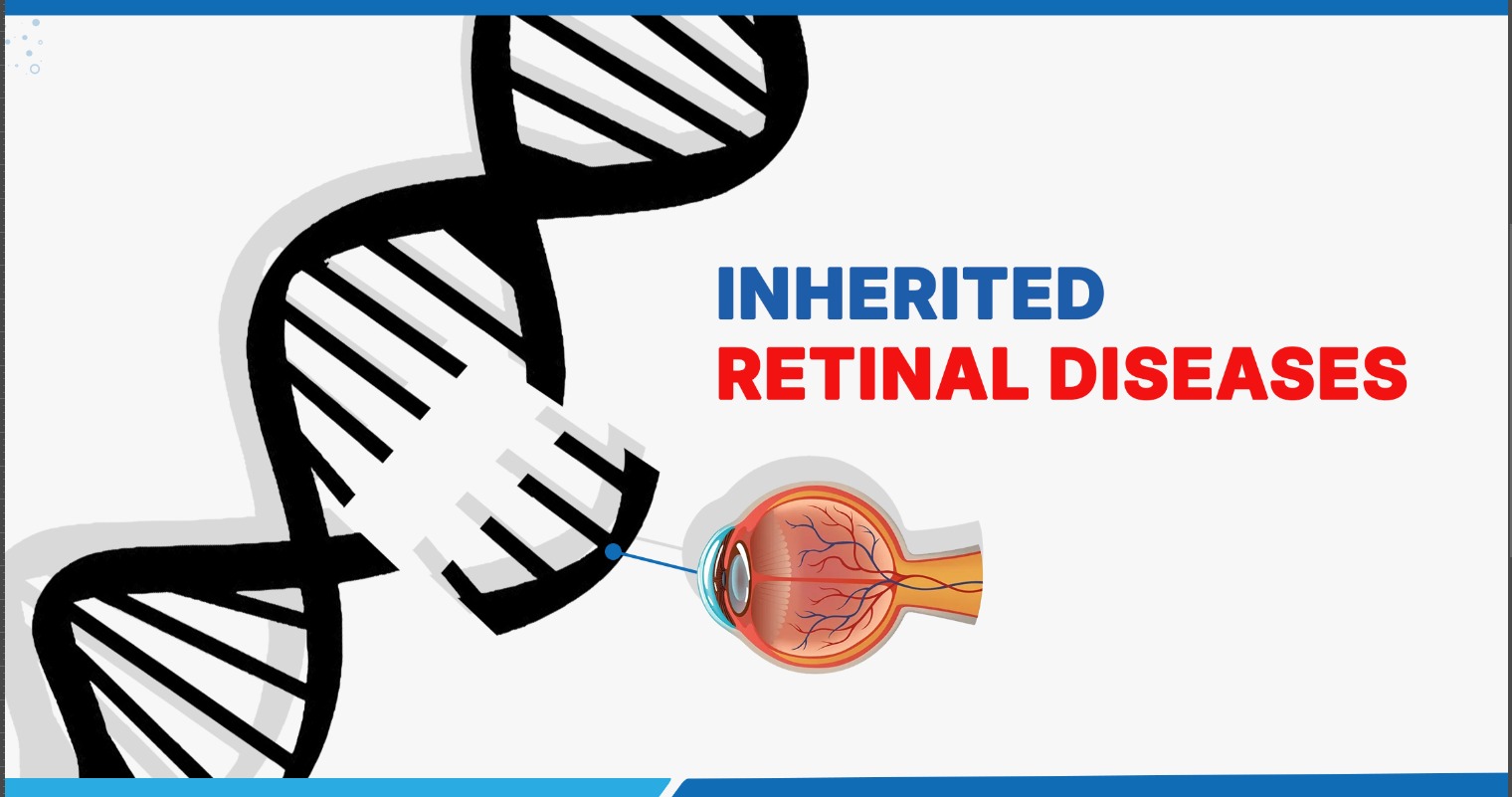
What Are Inherited Retinal Diseases (IRD)?
Inherited Retinal Diseases (IRD) are a group of genetic disorders that primarily affect the retina, the light-sensitive tissue at the back of the eye. These diseases can cause progressive vision loss and, in some cases, complete blindness. Since these conditions are inherited, they run in families and are passed down through genetic mutations.
The retina plays a crucial role in vision, converting light into electrical signals that are sent to the brain. IRDs affect the ability of the retina to function properly, leading to a wide range of visual impairments.
Causes of Inherited Retinal Diseases (IRD)
Inherited Retinal Diseases are caused by mutations in specific genes responsible for maintaining the structure and function of the retina. These mutations are inherited from one or both parents, typically following one of several inheritance patterns:
- Autosomal Dominant Inheritance: Only one copy of the mutated gene is needed for the condition to be expressed.
- Autosomal Recessive Inheritance: Two copies of the mutated gene (one from each parent) are required for the disease to manifest.
- X-linked Inheritance: The gene mutation is located on the X chromosome, and typically affects males more severely.
Common causes include mutations in genes such as RPE65, RPGR, and USH2A, among others. These mutations lead to dysfunction in various retinal cells, which progressively impair vision.
Symptoms and Signs of Inherited Retinal Diseases (IRD)
The symptoms of IRDs vary widely depending on the specific condition and the severity of the genetic mutation. Some common symptoms include:
- Night Blindness: Difficulty seeing in low-light conditions, often one of the earliest signs of IRDs.
- Peripheral Vision Loss: Patients may experience tunnel vision or loss of vision in the outer areas of their visual field.
- Reduced Central Vision: Loss of sharp, detailed vision that is used for tasks like reading or recognizing faces.
- Color Vision Deficiency: Difficulty distinguishing between certain colors, especially in cases like Achromatopsia.
- Blurred Vision: Vision may appear cloudy or unfocused as the disease progresses.
Some patients may also experience:
- Visual Field Defects
- Eye Fatigue
- Reduced Contrast Sensitivity
Types of Inherited Retinal Diseases (IRD)
There are several types of inherited retinal diseases, each with distinct characteristics. Some common ones include:
- Retinitis Pigmentosa (RP):
- The most common type of IRD.
- It leads to progressive vision loss starting with night blindness and progressing to peripheral vision loss.
- Leber Congenital Amaurosis (LCA):
- A severe form of IRD that typically presents in infancy with poor vision and eye movements.
- Stargardt Disease:
- A type of macular degeneration that affects the central vision, typically in children or young adults.
- Usher Syndrome:
- A condition that causes both progressive vision loss (due to RP) and hearing loss.
- Cone-Rod Dystrophy:
- A condition that affects both cone and rod cells in the retina, leading to both color vision problems and night blindness.
- Achromatopsia:
- A rare form of color blindness with severe visual impairment, especially in bright light conditions.
Treatment/Management for Inherited Retinal Diseases (IRD)
Currently, there is no cure for most inherited retinal diseases, but several treatment options aim to slow disease progression, manage symptoms, or improve quality of life:
- Gene Therapy:
- Luxturna is an FDA-approved gene therapy for patients with RP caused by mutations in the RPE65 gene. It can restore vision in some cases.
- Retinal Implants:
- Devices such as the Argus II Retinal Prosthesis System can help patients with severe RP regain partial vision.
- Stem Cell Therapy:
- Research is ongoing to explore stem cell therapy to replace damaged retinal cells and restore vision.
- Low Vision Aids:
- Magnifiers, electronic readers, and other assistive devices can help patients maximize their remaining vision.
- Vitamin A Supplements:
- In some cases, high-dose Vitamin A may slow the progression of RP.
- Other Treatments:
- Anti-VEGF therapy, retinal laser therapy, and other experimental treatments are being studied to treat certain forms of IRDs.
Key Takeaways
- Inherited Retinal Diseases (IRD) are genetic conditions that affect the retina and lead to progressive vision loss.
- Symptoms may include night blindness, peripheral vision loss, and central vision impairment.
- While there is no cure, treatments such as gene therapy, retinal implants, and low vision aids can help manage symptoms.
- Genetic counseling is crucial for understanding and managing the risks of passing IRDs to future generations.
- Research in gene therapy and stem cell treatments shows promise for future breakthroughs.