Title: Understanding Diabetic Retinopathy: Causes, Symptoms, and Treatment Options
Subheading: What is Diabetic Retinopathy?
What is Diabetic Retinopathy? 
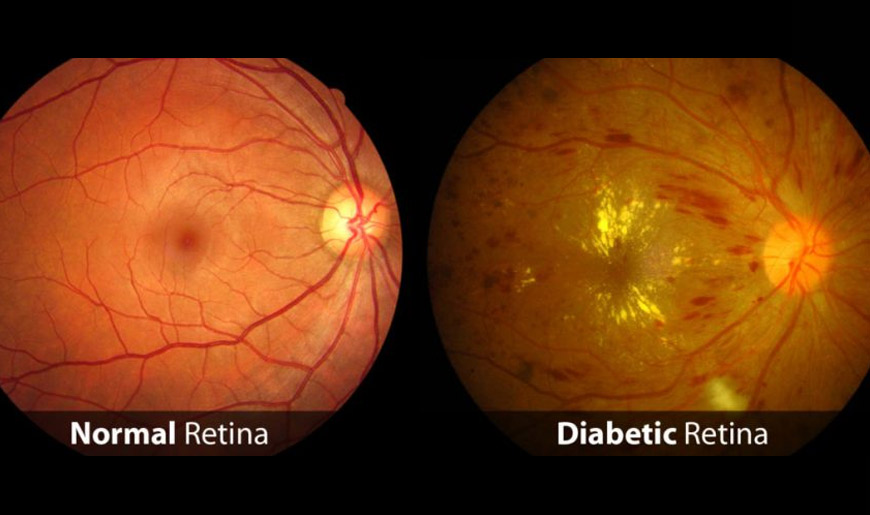
Diabetic Retinopathy (DR) is a common and serious eye condition that affects people with diabetes. It occurs when high blood sugar levels damage the blood vessels in the retina, the light-sensitive layer at the back of the eye. Over time, this damage can lead to vision loss if not treated properly. DR is one of the leading causes of blindness among adults worldwide, making early detection and treatment crucial.
Causes of Diabetic Retinopathy
Causes: The primary cause of diabetic retinopathy is prolonged high blood sugar (hyperglycemia). When the blood glucose level remains high for an extended period, it can damage the blood vessels in the retina. These vessels may swell, leak, or even close off, impairing normal blood flow to the retina. In severe cases, new, abnormal blood vessels grow in the retina, which can lead to vision problems.
Other contributing factors include:
- High blood pressure
- High cholesterol
- Smoking
- Poor diabetes control
Symptoms and Signs of Diabetic Retinopathy
Symptoms:
- Blurry vision or fluctuating vision
- Seeing dark spots or floaters in your field of vision
- Difficulty seeing at night
- Complete loss of vision in advanced stages
Signs:
- Retinal hemorrhages (bleeding in the retina)
- Swelling of the retina (macular edema)
- New, abnormal blood vessels growing in the retina
- Retinal detachment (in severe cases)
Types of Diabetic Retinopathy
There are two main stages of diabetic retinopathy:
- Non-proliferative Diabetic Retinopathy (NPDR): This is the early stage of the condition, where small blood vessels in the retina become weakened and may leak blood or fluid. There are usually no obvious symptoms at this stage, which makes regular eye exams important for people with diabetes.

- Proliferative Diabetic Retinopathy (PDR): This is a more advanced stage where new blood vessels begin to grow in the retina. These new blood vessels are fragile and can break, leading to bleeding, retinal detachment, and severe vision loss.
Treatment for Diabetic Retinopathy
Treatment Options: The goal of treatment is to prevent or slow the progression of diabetic retinopathy and preserve vision. The treatment options depend on the stage of the disease:
- Laser Therapy (Laser Photocoagulation): This is commonly used to treat both NPDR and PDR. Laser treatment helps to seal leaking blood vessels and shrink abnormal blood vessels.
- Anti-VEGF Injections: In cases of macular edema and PDR, medications like anti-VEGF (vascular endothelial growth factor) can be injected into the eye to stop the growth of abnormal blood vessels.
- Vitrectomy: In severe cases, when bleeding or retinal detachment occurs, a vitrectomy (surgical removal of the vitreous gel) may be necessary to improve vision.
- Controlling Blood Sugar Levels: The most crucial step in managing diabetic retinopathy is controlling blood sugar levels. Maintaining a healthy lifestyle, regular monitoring, and appropriate medication are essential.
FAQs
- What is the best way to prevent diabetic retinopathy?
- The best prevention is managing your diabetes effectively, controlling blood sugar levels, and having regular eye exams.
- Can diabetic retinopathy be reversed?
- Early stages of diabetic retinopathy can be treated and progression can be slowed, but once vision is lost due to DR, it may not be fully reversible.
- How often should I get my eyes checked if I have diabetes?
- People with diabetes should have their eyes checked at least once a year, or more frequently if advised by their eye care professional.
- Is diabetic retinopathy painful?
- Diabetic retinopathy itself is not painful. However, vision problems can worsen over time, and certain treatments like laser therapy may cause some discomfort.
- Can I drive with diabetic retinopathy?
- If you experience vision problems, it’s important to talk to your doctor. In advanced stages, vision loss can impact driving ability.
- Will I go blind from diabetic retinopathy?
- If left untreated, diabetic retinopathy can lead to blindness. However, early detection and proper treatment can prevent this outcome.
- Can diabetic retinopathy affect both eyes?
- Yes, diabetic retinopathy usually affects both eyes, but the severity can vary from one eye to another.
- How long does laser treatment take to work?
- Laser treatment may take a few weeks to show results, though multiple sessions may be necessary.
- Are there any new treatments for diabetic retinopathy?
- New treatments, such as injections of anti-VEGF drugs, are providing promising results, especially for macular edema and proliferative diabetic retinopathy.
- Can lifestyle changes help manage diabetic retinopathy?
- Yes, maintaining a healthy diet, regular exercise, and controlling blood sugar levels can significantly help manage and slow the progression of diabetic retinopathy.
Key Takeaway
- Diabetic Retinopathy is a potentially sight-threatening condition that can be controlled with early detection, proper management of diabetes, and timely treatment. Regular eye exams are crucial for anyone with diabetes to detect any changes in the retina before significant vision loss occurs.