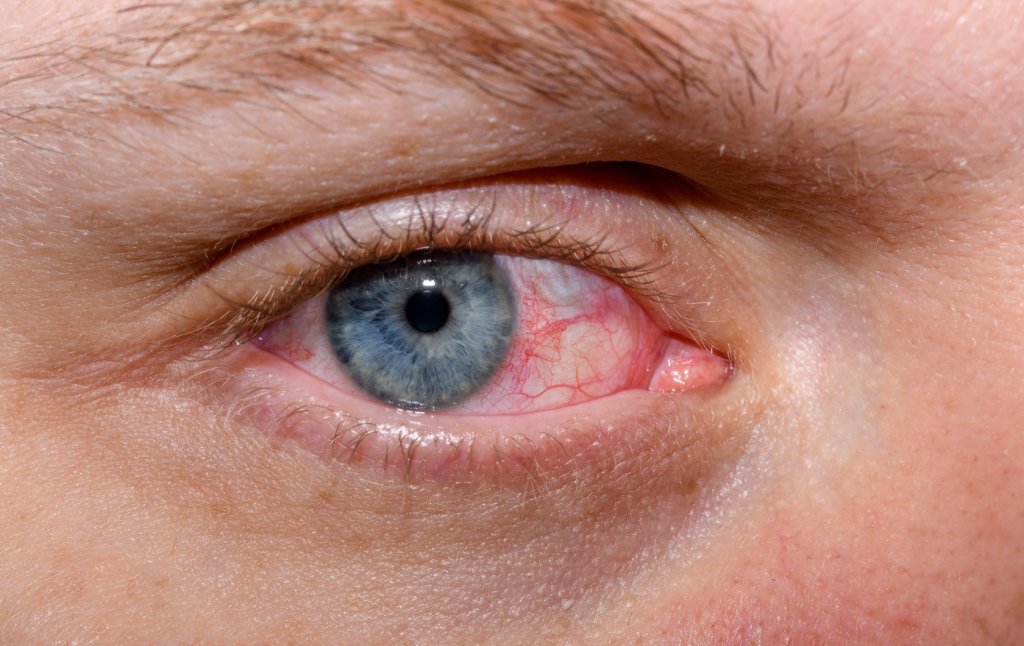
What is Dry Eye Syndrome?
Dry Eye Syndrome (DES), also known as keratoconjunctivitis sicca, is a common yet often overlooked eye condition. It occurs when your eyes are unable to produce sufficient tears or when the tears produced evaporate too quickly. Tears are essential for maintaining the health of the front surface of the eye and providing clear vision. Without adequate tear production or proper tear quality, the eyes can become dry, irritated, and uncomfortable. This condition not only affects vision but can also significantly impact daily activities like reading, using digital devices, or even spending time outdoors.
Causes
Dry Eye Syndrome can arise due to various factors, which can either reduce the production of tears or increase their evaporation.
- Reduced Tear Production:
- Aging: The natural aging process often leads to a decrease in tear production. This is particularly noticeable in people over 50.
- Hormonal Changes: Women are more prone to dry eye due to hormonal shifts during pregnancy, menopause, or while using oral contraceptives.
- Autoimmune Conditions: Disorders like Sjögren’s Syndrome, rheumatoid arthritis, or lupus can impair the tear glands, reducing tear production.
- Certain Medications: Drugs such as antihistamines, antidepressants, and beta-blockers may reduce tear secretion.
- Increased Tear Evaporation:
- Environmental Factors: Exposure to wind, smoke, or air conditioning can cause tears to evaporate more quickly, leaving the eyes dry.
- Prolonged Screen Time: Staring at screens for extended periods reduces blinking frequency, leading to faster tear evaporation.
- Contact Lenses: Prolonged use of contact lenses can disrupt the natural tear film and cause dryness.
- Imbalanced Tear Composition:
- Tears are composed of three layers: lipid (oil), aqueous (water), and mucin. Any imbalance in these layers, often due to gland dysfunction or inflammation, can lead to poor tear quality and inadequate eye lubrication.
Symptoms and Signs
The symptoms of Dry Eye Syndrome can vary in intensity and may affect one or both eyes. Common signs include:
- Persistent Dryness: A constant feeling of dryness in the eyes, which can worsen in dry or windy environments.
- Redness and Irritation: The whites of the eyes may appear red, accompanied by a stinging or burning sensation.
- Foreign Body Sensation: A feeling as though there is something gritty or sand-like in the eyes.
- Excessive Tearing: Ironically, dry eyes can sometimes lead to excessive reflex tearing as the eyes attempt to compensate for the dryness.
- Blurred Vision: Vision may become intermittently blurry, especially after prolonged focus on screens or reading.
- Difficulty Wearing Contact Lenses: Contact lenses may feel uncomfortable or cause irritation due to insufficient tear lubrication.
Types of Dry Eye Syndrome
Dry Eye Syndrome is broadly classified into two main types based on its underlying cause:
- Aqueous Deficient Dry Eye (ADDE):
- This type occurs when the lacrimal glands fail to produce enough aqueous fluid to maintain a healthy tear film.
- Common in conditions like Sjögren’s Syndrome or due to aging.
- Evaporative Dry Eye (EDE):
- This form arises when tears evaporate too quickly due to issues with the lipid layer of the tear film.
- Often associated with Meibomian Gland Dysfunction (MGD), environmental factors, or prolonged screen use.
Treatment Options
Managing Dry Eye Syndrome involves addressing the underlying cause and alleviating symptoms. Treatment approaches may include:
- Artificial Tears and Lubricating Drops:
- Over-the-counter lubricating eye drops can provide immediate relief by mimicking natural tears.
- Preservative-free formulations are often preferred for frequent use.
- Medications:
- Anti-inflammatory Drops: Medications like cyclosporine or lifitegrast reduce inflammation and improve tear production.
- Steroid Drops: Short-term use of corticosteroids may be prescribed for severe inflammation.
- Lid Hygiene:
- Regular cleaning of eyelids with warm compresses or specialized cleansers helps manage Meibomian Gland Dysfunction.
- Punctal Plugs:
- These tiny devices are inserted into the tear ducts to slow tear drainage, increasing tear film retention.
- Lifestyle Modifications:
- Taking regular breaks during screen use, using humidifiers, and wearing wrap-around glasses can help reduce symptoms.
- Dietary Supplements:
- Omega-3 fatty acids from fish oil or flaxseed may improve tear quality by enhancing the lipid layer of the tear film.
FAQs
- Can dry eyes be cured?
- While there is no permanent cure, dry eyes can be effectively managed with proper treatment and lifestyle changes.
- Are artificial tears safe for long-term use?
- Yes, preservative-free artificial tears are safe for prolonged use.
- Does diet affect dry eye symptoms?
- Yes, a diet rich in omega-3 fatty acids can help improve tear quality and reduce symptoms.
- Can using a humidifier help with dry eyes?
- Absolutely, humidifiers add moisture to the air, reducing tear evaporation, especially in dry climates.
- Do screen breaks really make a difference?
- Yes, following the 20-20-20 rule (look 20 feet away for 20 seconds every 20 minutes) can prevent eye strain and dry eyes.
Key Takeaway
Dry Eye Syndrome is a common condition that can impact your comfort, vision, and daily life. By understanding its causes and symptoms and adopting appropriate treatments and lifestyle adjustments, you can effectively manage this condition and maintain healthy vision. If symptoms persist, consult an eye care professional for personalized care.