Introduction: Vision—A Vital Foundation of Childhood Development
Clear and functional vision is fundamental to a child’s early cognitive, motor, emotional, and social development. From recognizing a parent’s face to learning to read and write, a child’s visual system is involved in almost every aspect of growing up. However, young children often cannot articulate when something is wrong with their sight, making early vision screening essential.
According to the American Optometric Association, 1 in 4 children has an undiagnosed vision problem that can affect learning, behavior, and overall quality of life. Early identification of such issues through routine vision screening enables timely intervention—whether it involves glasses, patching, vision therapy, or further medical evaluation.
When left unaddressed, many vision problems may lead to developmental delays, academic struggles, social difficulties, or even permanent vision loss, especially in cases like amblyopia. Vision screening is a critical public health tool that ensures children are visually prepared to succeed in school and life.
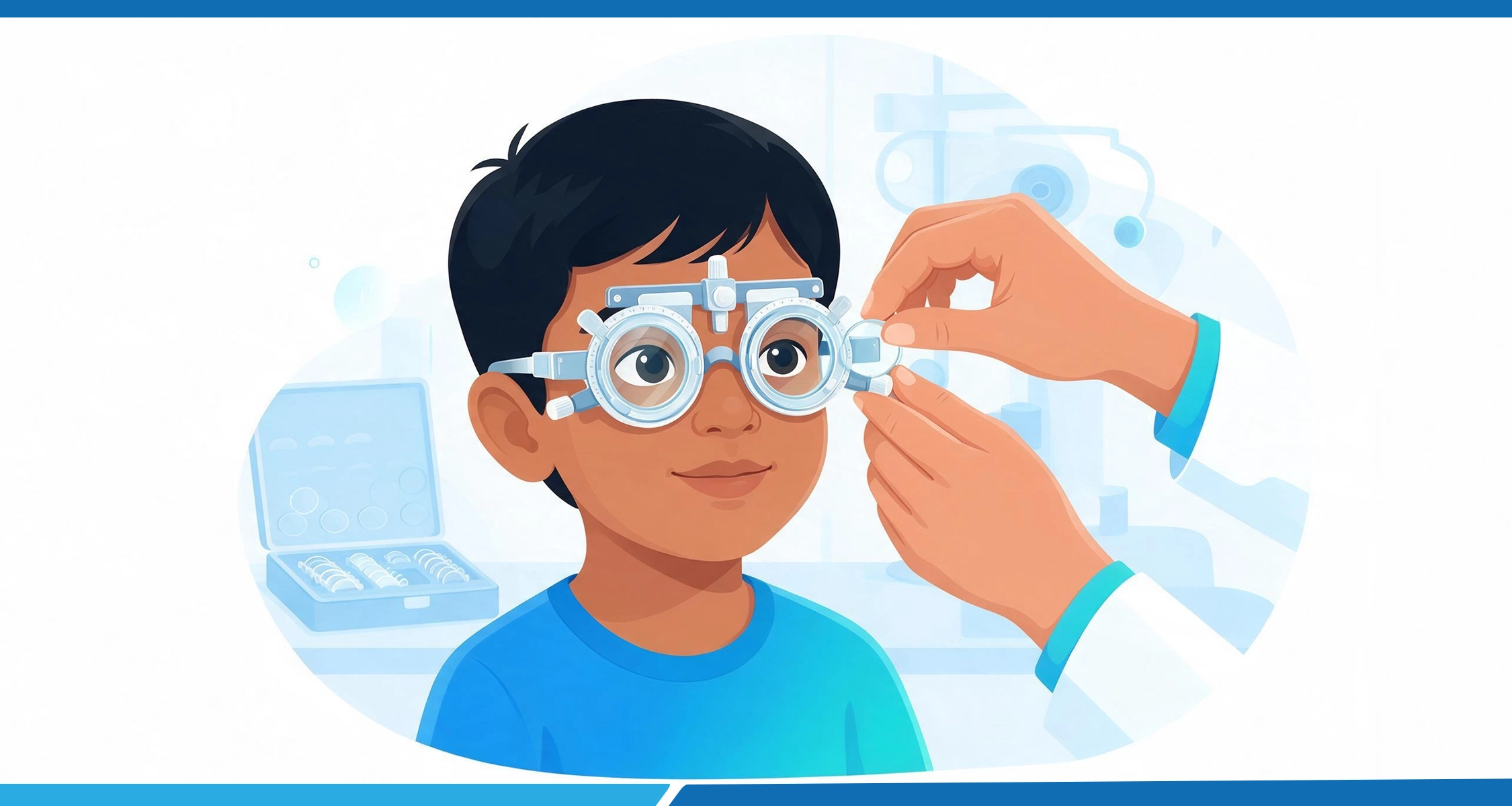
Why Early Vision Screening Matters
- Children Rarely Complain About Vision Issues
- Unlike adults, children may not recognize that their vision is abnormal. They may assume everyone sees the way they do or struggle silently with activities that require good vision.
- Early Years Are Critical for Visual Development
- The visual system develops rapidly in the first 5–7 years of life. Detecting issues during this window allows for effective treatment and can prevent long-term deficits.
- Vision Problems Can Mimic Learning Disabilities
- Undiagnosed visual impairments can present as reading difficulties, attention problems, or even behavioral issues, often being mistaken for ADHD or dyslexia.
- Timely Treatment Prevents Permanent Vision Loss
- Conditions like amblyopia (lazy eye), when detected early, are highly treatable. If overlooked, they can result in irreversible vision impairment.
- Prepares Children for Academic Success
- Vision accounts for up to 80% of classroom learning. Children with healthy vision are better equipped to read, write, and engage with educational content effectively.
- Early Detection Reduces the Need for Intensive Treatment Later
- Intervening early with simple corrective measures may avoid more complex, prolonged treatments in the future, saving time, resources, and stress for families.
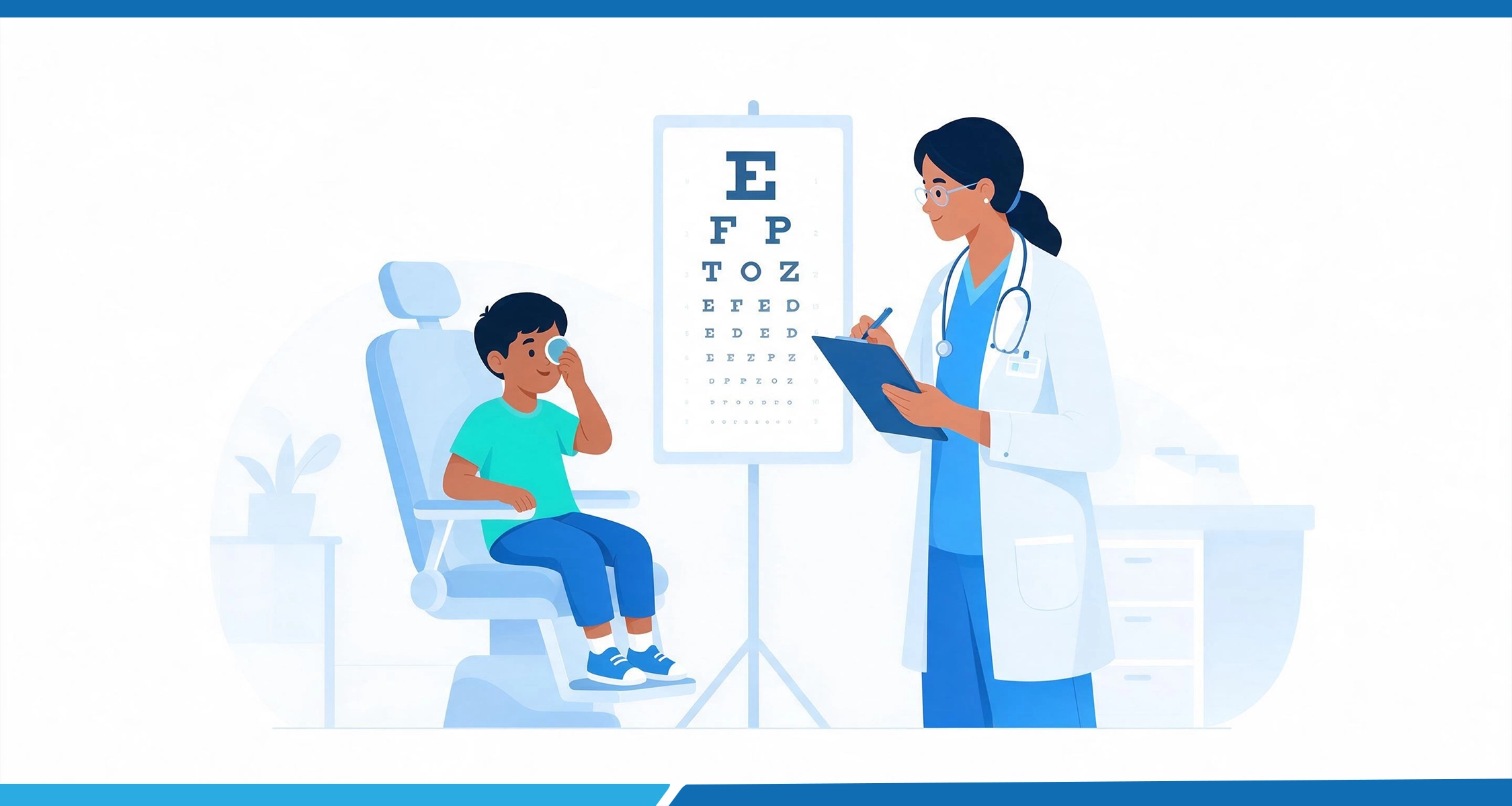
What Vision Screening Involves
- Visual Acuity Testing: Determines how clearly a child sees at various distances.
- Eye Alignment Checks: Identifies conditions like strabismus (crossed eyes).
- Refractive Error Screening: Detects nearsightedness, farsightedness, or astigmatism.
- Binocular Vision and Depth Perception: Assesses how well both eyes work together.
- Color Vision Testing: Identifies color blindness, which may impact learning.
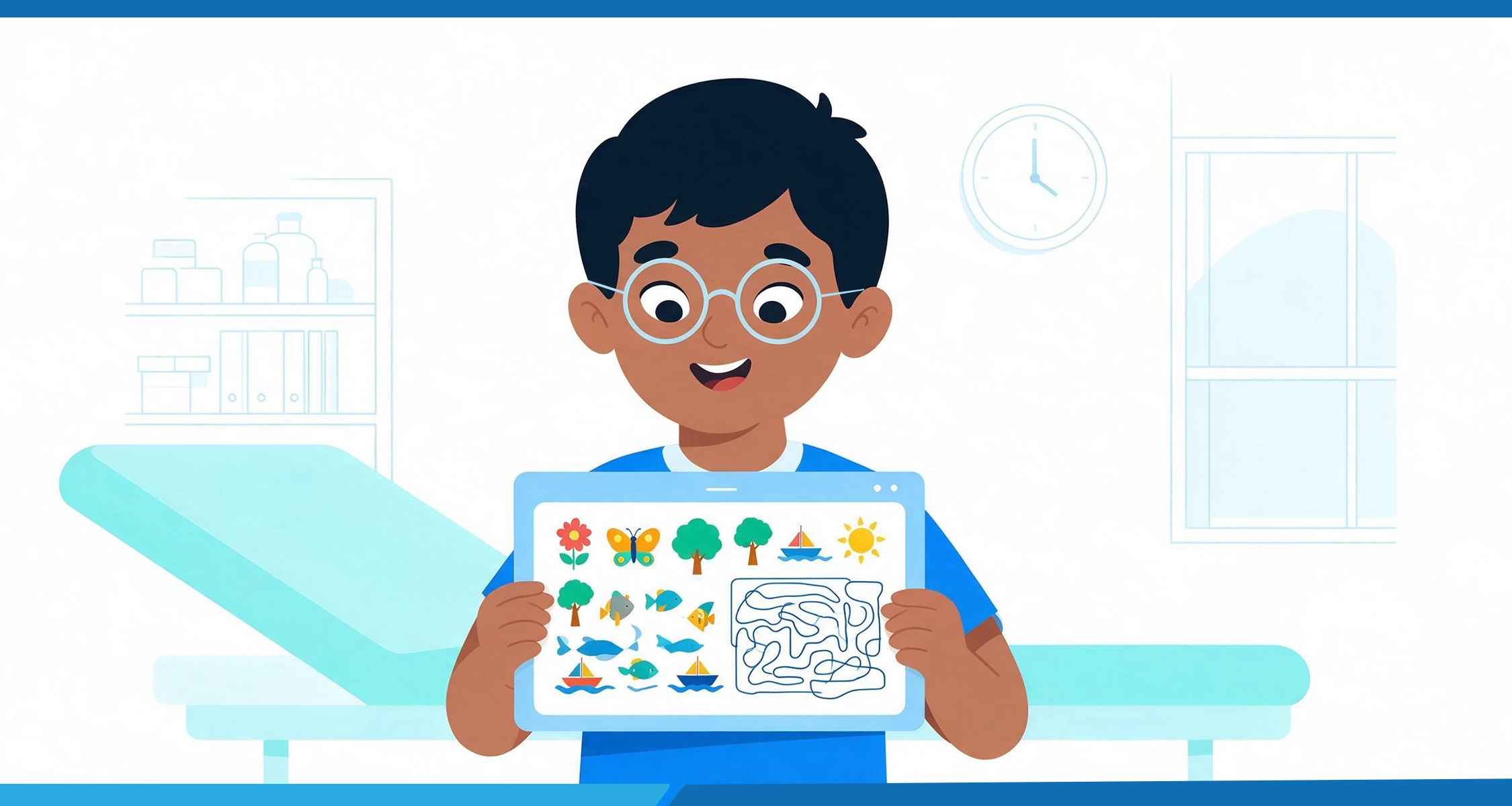
These tests can be done quickly and non-invasively by trained professionals using age-appropriate tools like picture charts, handheld devices, or automated vision screeners.
When Should Vision Screening Occur?
- Newborn to 6 Months:
- Basic eye health assessment by a pediatrician to detect congenital anomalies.
- 6 Months to 3 Years:
- First comprehensive eye exam to evaluate basic vision function and eye alignment.
- At Age 3 to 5 Years:
- Critical screening window for amblyopia, strabismus, and refractive errors.
- Before Starting School (Around Age 5):
- Ensures visual readiness for academic tasks.
- Every 1–2 Years After Starting School:
- Ongoing monitoring, especially as visual demands increase with reading and screen use.
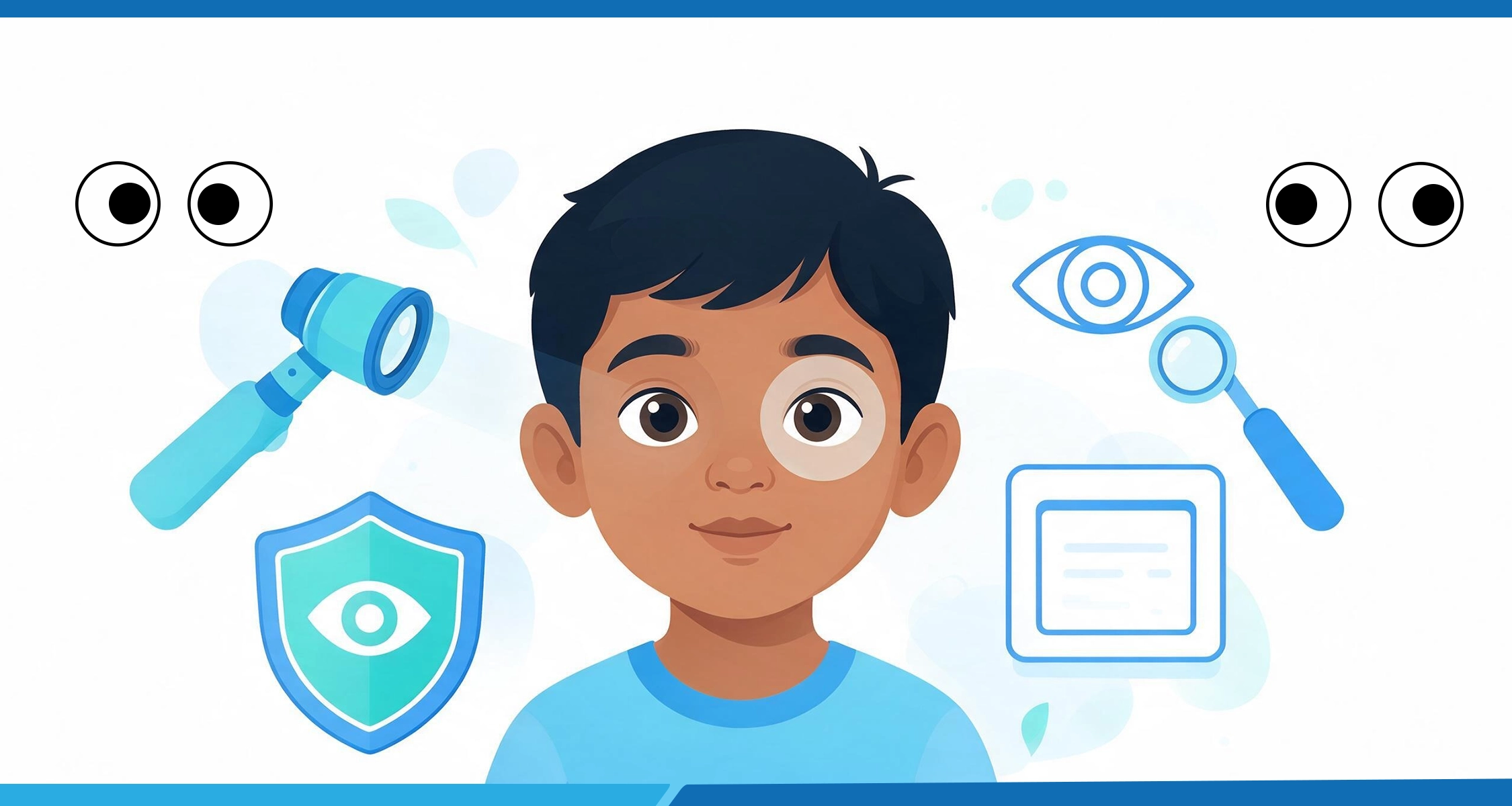
Common Conditions Detected Through Screening
- Amblyopia (Lazy Eye):
- Reduced vision in one eye due to poor early development, often treatable if caught before age 7.
- Strabismus:
- Misaligned eyes that can affect depth perception and lead to amblyopia if untreated.
- Refractive Errors:
- Myopia, hyperopia, and astigmatism that interfere with clarity at various distances.
- Congenital Cataracts or Ptosis:
- Rare but serious conditions that obstruct visual input and require prompt care.
- Ocular Health Concerns:
- Early signs of infections, retinal abnormalities, or structural defects.
Who Conducts Vision Screenings?
- Pediatricians and Family Doctors: Often perform basic vision checks during well-child visits.
- School Nurses: Provide screenings as part of school health programs.
- Optometrists and Ophthalmologists: Offer comprehensive exams with advanced diagnostic tools.
- Community Programs: Mobile clinics and public health initiatives may provide free screenings in underserved areas.
Key Takeaway
Early vision screening is not merely a medical formality—it is a foundational step toward ensuring a child’s healthy development, school readiness, and long-term visual well-being. By identifying issues at their earliest and most treatable stages, screenings empower families and healthcare providers to take timely, effective action. In a world increasingly reliant on visual input—from screens to schoolbooks—there is no substitute for a strong visual start.