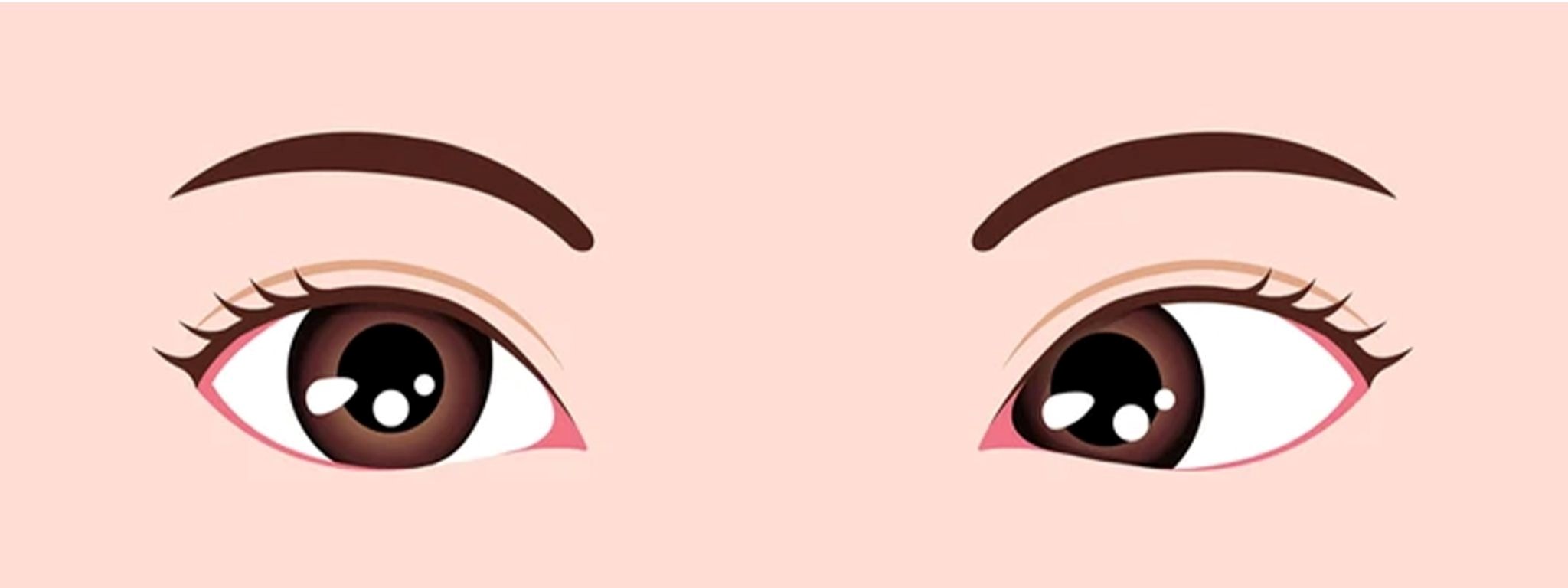
What is strabismus
Strabismus, also known as "crossed eyes" is a disorder in which both eyes do not line up in the same direction. Therefore, they do not look at the same object at the same time. One eye may turn in, out, up, or down while the other eye remains focused on an object. This misalignment can be constant or intermittent and can occur in both children and adults.
Types of Strabismus
- Esotropia: When one or both eyes turn inward (toward the nose).
- Exotropia: When one or both eyes turn outward (away from the nose).
- Hypertropia: When one eye turns upward.
- Hypotropia: When one eye turns downward.
Six different muscles surround each eye and work "as a team." This allows both eyes to focus on the same object.
In patient’s with strabismus, these muscles do not work together. As a result, one eye looks at one object, while the other eye turns in a different direction and looks at another object.
When strabismus occurs, two different images are sent to the brain -- one from each eye. This confuses the brain. In children, the brain may learn to ignore (suppress) the image from the weaker eye.
If the strabismus is not treated, the eye that the brain ignores will never see well. This loss of vision is called amblyopia. Another name for amblyopia is "lazy eye." Sometimes the lazy eye is present earlier and it can cause strabismus later.
It can also present since birth, known as congenital strabismus.
Most of the time, the problem has to do with muscle control, and not with muscle strength.
Causes of Strabismus
The exact cause of strabismus can vary:
- Genetic factors: A family history of strabismus increases the risk.
- Neurological conditions: Problems with the nerves or muscles that control eye movement.
- Eye conditions: Such as refractive errors (e.g., farsightedness) or cataracts.
- Trauma: Injury to the eye or muscles around it.
- Other health conditions: Including cerebral palsy, Down syndrome, or brain injury.
Symptoms
- Misalignment of the eyes (eyes appear crossed).
- Double vision (diplopia) in some cases.
- Reduced depth perception.
- Eye strain or discomfort.
- One eye turns inward or outward, particularly when tired or focusing on near or far objects.
- Abnormal head posture to compensate for the misalignment.
Diagnosis
Strabismus is typically diagnosed through a comprehensive eye exam, which may include:
- Visual acuity tests.
- Eye movement tests.
- Refraction tests to check for any underlying vision problems (e.g., nearsightedness or farsightedness).
- Cover-uncover test: To see if the eyes are aligned.
Treatment Options
Treatment for strabismus depends on the severity, type, and cause. Options include:
- Eyeglasses: To correct refractive errors or help with focusing issues.
- Prism lenses: These special lenses help reduce double vision by altering the direction of light entering the eyes.
- Eye exercises: In some cases, specific exercises can help strengthen the eye muscles and improve alignment.
- Botox injections: Injections into the eye muscles to help correct misalignment in some cases.
- Surgery: If other treatments are ineffective, surgery may be needed to correct the misalignment by adjusting the eye muscles.
- Vision therapy: A type of physical therapy for the eyes to improve coordination and alignment.
Complications
If left untreated, strabismus can lead to:
- Amblyopia (lazy eye): The brain starts ignoring input from the misaligned eye, potentially leading to permanent vision loss in that eye.
- Depth perception problems: Difficulty judging distances, which may affect daily activities like driving or playing sports.
Early diagnosis and treatment are key to preventing complications and improving the chances of full recovery. If you suspect someone may have strabismus, it is essential to consult an eye care professional for evaluation and appropriate treatment.