Introduction
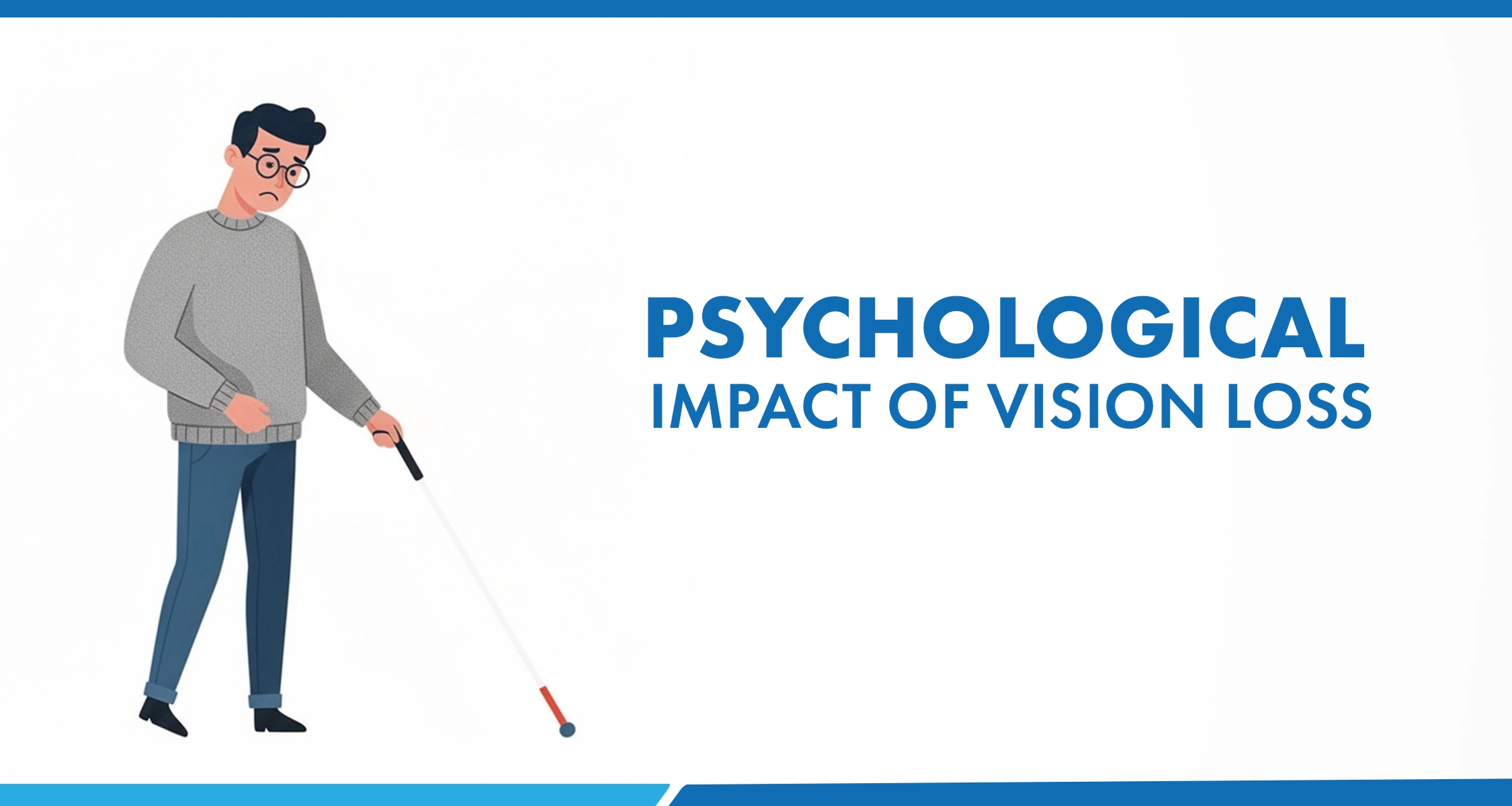
Losing one’s sight—or experiencing gradual vision decline—is not just a medical event. It touches the mind, emotions, identity, and social life. The journey of adapting to vision loss often involves grief, anxiety, and adjustment. Yet with understanding, support, and the right resources, many find new strength, purpose, and even joy again.
In this article, you will learn:
- How vision loss affects mental health and psychological well-being
- Common emotional, social, and identity challenges
- Risk factors and warning signs
- Strategies and therapies for coping and adapting
- When and how to seek psychological help
- How Drishti Eye Care System supports patients holistically
- FAQs to clarify your doubts
Let’s walk this path together — one that values both sight and spirit.
How Vision Loss Affects Mental Health
Depression, Anxiety, and Emotional Distress
Studies show that a substantial proportion of people with visual impairment report depression or anxiety. In one meta-analysis, about 25% of patients with vision loss had depression. JAMA Network
Vision loss often brings:
- Persistent sadness or low mood
- Worry about worsening vision
- Fear of dependency
- Irritability, hopelessness
Vision-specific emotional burden — worries tied directly to one’s loss of sight — is recognized as distinct from general depression. PMC+1
Identity Loss & Changes in Self-Concept
Our sense of self is deeply tied to how we move, see, act, and interact. When vision changes:
- People may feel their identity is “diminished”
- They may worry that others now see them as “disabled”
- Loss of roles (e.g. driving, hobbies, work) can shake self-esteem
In qualitative studies, people describe moving through denial, anger, bargaining, and eventually acceptance — a psychological adaptation process. mentalhealthjournal.org+1
Social Withdrawal, Isolation & Stigma
Vision impairment frequently leads to:
- Avoiding social settings due to embarrassment or fear
- Feeling disconnected because facial cues or expressions become harder to interpret
- Loneliness and shame
Low vision is a known risk factor for social anxiety and depressive symptoms. PMC
One U.S. study found vision impairment linked to higher odds of social isolation, depression, and anxiety. JAMA Network
Stress, Uncertainty & Loss of Control
Because vision loss is often progressive or irreversible, many face ongoing stress:
- Worry about disease progression
- Fear of accidents or dependency
- Anxiety in unfamiliar situations
- Feeling loss of control
Researchers note that mental stress can even worsen perception or amplify functional decline. PMC
Hallucinations & Rare Phenomena
Some individuals with severe vision loss may experience Charles Bonnet Syndrome — visual hallucinations (seeing patterns, shapes, or figures) without psychiatric illness. Wikipedia
This can be frightening, but is relatively known and treatable when managed well.
Risk Factors & Predictors
Not everyone with vision loss experiences the same psychological impact. Some key risk factors include:
- Severity and speed of vision decline
- Age (younger individuals may struggle more with identity adjustment)
- Social support (presence of family, friends)
- Coping mindset and resilience
- Comorbidities (diabetes, chronic illness)
- Financial stress and dependency
Vision-specific distress often mediates the relationship between vision loss and depression. PMC+1
Recognizing Warning Signs
If you or a loved one is experiencing:
- Persistent sadness lasting weeks
- Loss of pleasure in activities
- Withdrawal from friends or hobbies
- Increased irritability or outbursts
- Difficulty sleeping or changes in appetite
- Feelings of worthlessness or hopelessness
These may signal a deeper psychological strain needing attention.
Coping Strategies & Therapeutic Interventions
Psychological Counseling & Therapy
- Cognitive Behavioral Therapy (CBT) helps reframe negative thoughts
- Acceptance and Commitment Therapy (ACT) encourages acceptance and living with purpose
- Grief counseling acknowledges the loss aspect
Integrating these into vision rehabilitation helps with adaptation.
Peer Support & Group Counseling
Sharing with others facing similar challenges reduces isolation, normalizes emotions, and builds coping skills.
Skills & Adaptation Training
Learning use of low vision aids, orientation & mobility training, accessible technology — these increase control and reduce helplessness, which in turn supports mental health.
Mindfulness, Relaxation & Stress Management
Techniques like breathing exercises, guided imagery, meditation, and journaling help calm anxiety.
Holistic Care & Interdisciplinary Models
Care teams combining ophthalmologists, rehabilitation specialists, and mental health professionals offer the best holistic support.
When to Seek Help
You should consider professional support if:
- Symptoms of depression or anxiety persist for more than a few weeks
- You have thoughts of self-harm or hopelessness
- Daily functioning is impaired (work, relationships, self-care)
- You’re experiencing hallucinations or distressing visual phenomena
- You feel alone and unsupported
At Drishti Eye Care System, we can facilitate referrals to mental health professionals and provide integrated psychosocial care.
How Drishti Eye Care System Supports You
At Drishti Eye Care System, we are committed to holistic vision care — including mental well-being. Our approach includes:
- Screening for emotional distress in patients with vision loss
- Counseling as part of the rehabilitation journey
- Linking to clinical psychologists or psychiatrists when needed
- Peer support groups and patient community networks
- Training staff to be empathetic, psychologically informed
- Continuous follow-up and adaptation plans
We believe care of the mind is as vital as care of the eyes.
Call to Action
Vision loss doesn’t have to mean a lifetime of silence and sorrow. You deserve care for both your eyes and your heart.
👉 Book your Comprehensive Vision and Mental Health Screening at Drishti Eye Care System today
📞 +977-9801445222
🌐 drishtieye.org