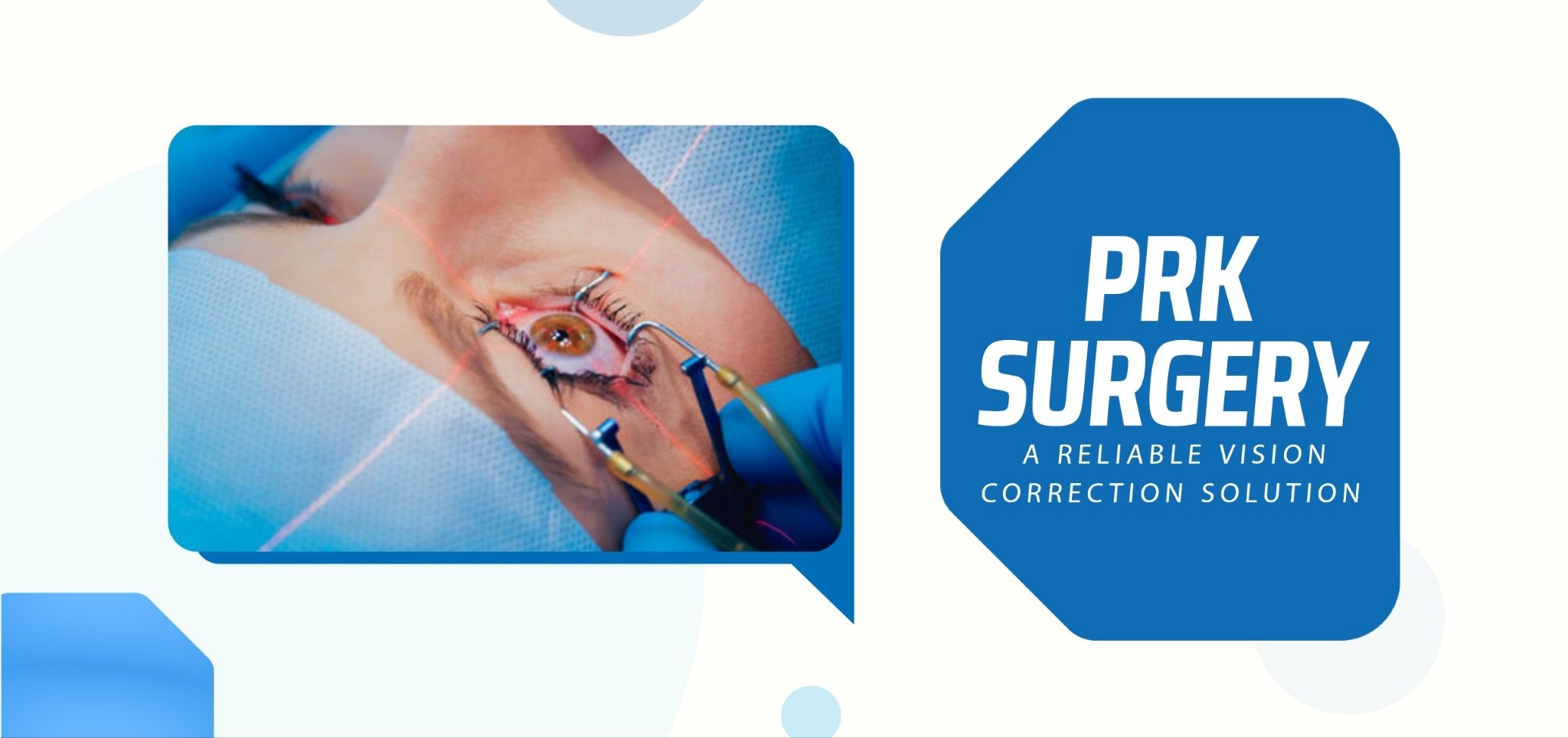
PRK Surgery: A Reliable Vision Correction Solution
Photorefractive Keratectomy (PRK) is one of the earliest forms of laser eye surgery, offering a safe and effective method to correct refractive errors. PRK remains a popular choice, especially for individuals with thinner corneas or those unsuitable for LASIK. This comprehensive article covers everything you need to know about PRK, including its usage, indications, contraindications, precautions, results, risks, and an FAQ section.
What is PRK Surgery?
PRK (Photorefractive Keratectomy) is a type of refractive surgery that reshapes the cornea using an excimer laser. Unlike LASIK, PRK does not involve creating a corneal flap. Instead, the outer layer of the cornea (epithelium) is removed to expose the underlying tissue, which is then reshaped to correct refractive errors such as:
- Myopia (Nearsightedness): Difficulty seeing distant objects clearly.
- Hyperopia (Farsightedness): Trouble focusing on nearby objects.
- Astigmatism: Blurred or distorted vision due to irregular corneal shape.
PRK is particularly suitable for patients with thin or irregular corneas, making it a versatile option in refractive surgery.
Usage of PRK Surgery
PRK is used to:
- Correct refractive errors for improved vision clarity.
- Reduce or eliminate the dependency on corrective eyewear, such as glasses or contact lenses.
- Provide an alternative for patients who are not ideal candidates for LASIK, particularly those with thinner corneas or higher risk of corneal flap complications.
The PRK Procedure: Step-by-Step
- Preparation:
- Numbing eye drops are administered to ensure comfort during the procedure.
- The patient is positioned under the laser system.
- Removal of the Epithelium:
- The outer layer of the cornea (epithelium) is gently removed using a brush or alcohol solution.
- Corneal Reshaping:
- An excimer laser is used to reshape the cornea, precisely removing microscopic amounts of tissue to correct refractive errors.
- Healing Bandage Contact Lens:
- A protective contact lens is placed on the eye to aid healing and reduce discomfort.
The procedure usually takes about 15 minutes for both eyes.
Indications for PRK Surgery
PRK is suitable for individuals who meet the following criteria:
- Age: Must be at least 18 years old with stable vision for at least one year.
- Refractive Error Range:
- Myopia up to -10.00 diopters
- Hyperopia up to +6.00 diopters
- Astigmatism up to ±6.00 diopters
- Thin Corneas: Ideal for patients who are ineligible for LASIK due to insufficient corneal thickness.
- Good Overall Eye Health: No active eye infections, severe dry eyes, or corneal diseases.
Contraindications of PRK Surgery
PRK may not be appropriate for individuals with:
- Autoimmune Disorders: Conditions like lupus or rheumatoid arthritis that impair healing.
- Unstable Vision: Significant changes in prescription over the past year.
- Pregnancy or Breastfeeding: Hormonal changes can temporarily affect vision.
- Corneal Conditions: Irregularities like keratoconus or severe scarring.
- Severe Dry Eyes: Can be exacerbated by the procedure.

Precautions Before PRK Surgery
- Comprehensive Eye Examination: A detailed evaluation of corneal thickness, eye health, and refractive stability is essential.
- Discontinue Contact Lenses: Stop wearing soft lenses for at least 2 weeks and rigid lenses for at least 3-4 weeks before surgery.
- Medication Review: Discuss all medications with your surgeon to ensure they won't interfere with healing.
Precautions After PRK Surgery
- Follow Postoperative Medication Schedule: Use prescribed antibiotic, anti-inflammatory, and lubricating eye drops as directed.
- Protect Your Eyes: Avoid touching or rubbing your eyes during the healing process.
- Limit Screen Time: Reduce digital eye strain during the initial recovery phase.
- Wear Sunglasses Outdoors: Protect your eyes from UV rays, which can delay healing.
- Attend Follow-Up Visits: Regular check-ups help monitor progress and address any issues promptly.
Results of PRK Surgery
PRK offers excellent visual outcomes, though the recovery process is slightly longer than LASIK.
- Visual Improvement: Vision begins to improve within a few days but can take several weeks to stabilize fully.
- Durability of Results: The vision correction is permanent, although age-related changes (like presbyopia) may occur later in life.
- Success Rate: Over 90% of PRK patients achieve 20/40 vision or better, with many reaching 20/20.
Risks and Complications of PRK Surgery
While PRK is considered safe, potential risks include:
- Temporary Discomfort: Burning, itching, or light sensitivity during the initial healing period.
- Dry Eyes: Common in the short term but manageable with lubricating drops.
- Hazy Vision: Temporary corneal haze can occur but usually resolves over time.
- Glare or Halos: Especially in low-light conditions, but these effects typically diminish over time.
- Infection or Slow Healing: Rare but possible, emphasizing the importance of following postoperative care instructions.

Advantages of PRK Surgery
- No Corneal Flap: Reduces the risk of flap-related complications.
- Ideal for Thin Corneas: A viable option for patients unsuitable for LASIK.
- Proven Track Record: Decades of successful outcomes with modern advancements improving safety and precision.
Frequently Asked Questions (FAQs)
- How long does the PRK procedure take?
- The procedure typically takes 15 minutes for both eyes.
- Is PRK painful?
- The procedure itself is painless due to numbing drops, but mild discomfort and sensitivity can occur during the healing phase.
- How long does it take to recover from PRK?
- Initial recovery takes about 3-5 days, with full visual clarity achieved within a few weeks to months.
- Can PRK correct astigmatism?
- Yes, PRK effectively corrects astigmatism within certain limits.
- Will I need glasses after PRK?
- Most patients achieve excellent vision without glasses, though reading glasses may be needed later due to presbyopia.
- What is the cost of PRK?
- The cost varies but typically ranges from $1,500 to $3,000 per eye, depending on the clinic and surgeon.
- Is PRK permanent?
- Yes, the correction is permanent, but age-related changes can still occur.
- Can I drive after PRK?
- No, you’ll need someone to drive you home. Driving can typically resume a few days after surgery.
- How soon can I return to work after PRK?
- Most patients take a week off work, depending on their occupation and visual recovery.
- What are the risks of PRK?
- Risks include temporary hazy vision, dry eyes, and sensitivity to light, but these usually resolve with proper care.
- How is PRK different from LASIK?
- PRK does not involve creating a corneal flap, making it suitable for thinner corneas but requiring a longer recovery time.
- Am I a good candidate for PRK?
- You are likely a candidate if you have stable vision, healthy eyes, and corneas unsuitable for LASIK.
Conclusion
PRK surgery offers a safe and reliable method for correcting refractive errors, especially for individuals unsuitable for LASIK. With its proven track record and excellent visual outcomes, PRK remains a valuable option for achieving clear vision. Consult with a qualified eye surgeon to determine if PRK is right for you and take the first step toward a glasses-free life.