Preventing Eye Infections in Hospital Settings: Essential Practices for Patients and Healthcare Workers
Introduction
Hospitals are dedicated to healing, but they can also be environments where infections spread if proper precautions are not followed. Eye infections acquired in healthcare settings may affect patients, healthcare professionals, and visitors, potentially leading to discomfort, delayed recovery, or even vision-threatening complications.
Fortunately, most hospital-related eye infections are preventable through good hygiene, appropriate infection control measures, and safe clinical practices.
At Drishti Eye Care System, patient safety is our highest priority. By following evidence-based infection prevention protocols, we help reduce the risk of eye infections and promote safe, high-quality eye care.
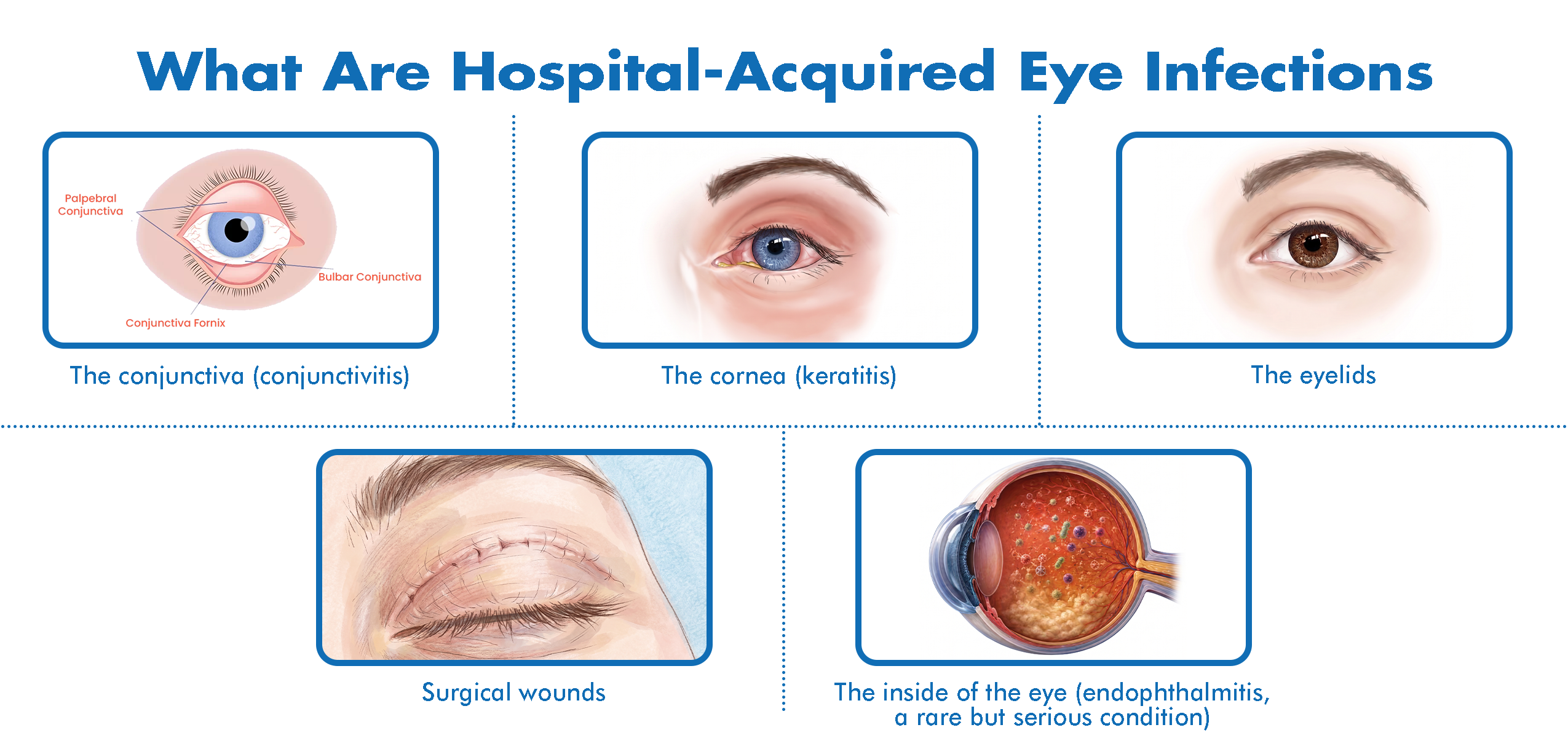
What Are Hospital-Acquired Eye Infections?
Hospital-acquired (healthcare-associated) eye infections are infections that develop during or after receiving medical care in a healthcare facility.
These infections may involve:
- The conjunctiva (conjunctivitis)
- The cornea (keratitis)
- The eyelids
- Surgical wounds
- The inside of the eye (endophthalmitis, a rare but serious condition)
Although uncommon, some infections can threaten vision if not treated promptly.
Common Causes of Eye Infections in Hospitals
Eye infections can occur when harmful microorganisms enter the eye through direct contact or contaminated equipment.
Common causes include:
- Poor hand hygiene
- Contaminated medical instruments
- Improper contact lens handling
- Shared eye drops without proper precautions
- Inadequate sterilization of surgical equipment
- Touching the eyes with unclean hands
- Exposure to infectious body fluids
Strict infection control practices significantly reduce these risks.
Common Types of Eye Infections
Conjunctivitis (Pink Eye)
Conjunctivitis is an infection or inflammation of the conjunctiva.
Symptoms include:
- Redness
- Watery discharge
- Itching
- Irritation
- Sticky eyelids
Some forms are highly contagious.
Keratitis
Keratitis is an infection or inflammation of the cornea.
Symptoms include:
- Eye pain
- Redness
- Blurred vision
- Sensitivity to light
- Excessive tearing
Prompt treatment is essential to prevent corneal damage.
Endophthalmitis
Endophthalmitis is a rare but severe infection inside the eye, most commonly occurring after eye surgery or penetrating eye injuries.
Symptoms include:
- Severe eye pain
- Rapid vision loss
- Redness
- Swelling
- Sensitivity to light
This is a medical emergency requiring immediate ophthalmic care.
Who Is at Greater Risk?
Individuals at higher risk include:
- Patients recovering from eye surgery
- Contact lens users
- People with diabetes
- Individuals with weakened immune systems
- Intensive care unit (ICU) patients
- Healthcare workers exposed to infectious materials
- Patients requiring prolonged hospitalization
Extra precautions should be taken to protect these vulnerable groups.
Infection Prevention Measures in Hospitals
Proper Hand Hygiene
Hand hygiene is the most effective way to prevent the spread of infections.
Healthcare workers should:
- Wash hands before and after patient contact
- Use alcohol-based hand sanitizer when appropriate
- Wear clean gloves when indicated
Patients and visitors should also clean their hands frequently.
Sterilization of Instruments
All ophthalmic instruments must be thoroughly cleaned, disinfected, and sterilized according to established medical guidelines.
Proper sterilization helps eliminate bacteria, viruses, fungi, and other harmful microorganisms.
Safe Eye Drop Practices
To reduce contamination:
- Use prescribed eye drops only.
- Do not share eye medications.
- Avoid touching the bottle tip to the eye or surrounding skin.
- Close the bottle immediately after use.
Hospital staff should follow strict protocols when administering eye medications.
Personal Protective Equipment (PPE)
Healthcare workers may use:
- Gloves
- Protective eyewear
- Face shields
- Surgical masks
PPE helps reduce exposure to infectious droplets and body fluids.
Environmental Cleaning
Regular cleaning and disinfection of:
- Examination chairs
- Slit lamps
- Diagnostic equipment
- Surgical areas
- Frequently touched surfaces
helps reduce the spread of infectious organisms.
Preventing Eye Infections After Eye Surgery
Patients can help reduce the risk of postoperative infection by:
- Washing hands before using eye drops.
- Using medications exactly as prescribed.
- Avoiding rubbing the operated eye.
- Keeping the protective eye shield clean.
- Avoiding swimming until approved by the ophthalmologist.
- Attending all follow-up appointments.
Following postoperative instructions carefully promotes safe healing.
Tips for Healthcare Workers
Healthcare professionals should:
- Follow standard infection control precautions.
- Disinfect equipment between patients.
- Wear appropriate PPE.
- Avoid touching their face or eyes during patient care.
- Dispose of contaminated materials safely.
- Stay updated on infection prevention guidelines.
Patient safety depends on consistent adherence to these practices.
Warning Signs of an Eye Infection
Seek immediate medical attention if you experience:
- Increasing eye redness
- Eye pain
- Blurred or reduced vision
- Thick discharge
- Swelling around the eye
- Sensitivity to light
- Fever with eye symptoms
Early diagnosis and treatment can prevent serious complications.
Healthy Habits That Reduce Infection Risk
Simple everyday habits include:
- Avoid touching your eyes unnecessarily.
- Wash hands frequently.
- Replace eye cosmetics regularly.
- Never share towels or eye makeup.
- Clean contact lenses properly.
- Follow your ophthalmologist's instructions after surgery.
- Attend routine eye examinations.
Good hygiene protects both your eyes and those around you.
How Drishti Eye Care System Ensures Patient Safety
At Drishti Eye Care System, infection prevention is integrated into every aspect of patient care.
Our safety measures include:
- Strict sterilization protocols
- Advanced infection control practices
- Comprehensive pre- and postoperative care
- Safe surgical environments
- Sterile ophthalmic instruments
- Patient education on postoperative care
- Regular staff training on infection prevention
- Prompt management of suspected eye infections
We are committed to providing safe, high-quality eye care while protecting every patient's vision
Call to Action
Preventing eye infections starts with good hygiene, safe clinical practices, and timely medical care.
Whether you're preparing for eye surgery or seeking treatment for an eye condition, Drishti Eye Care System is committed to providing the highest standards of infection prevention and patient safety.
📞 Call: +977-9801445222
🌐 Website: drishtieye.org
Drishti Eye Care System — Safe Care. Healthy Eyes. Trusted Vision.