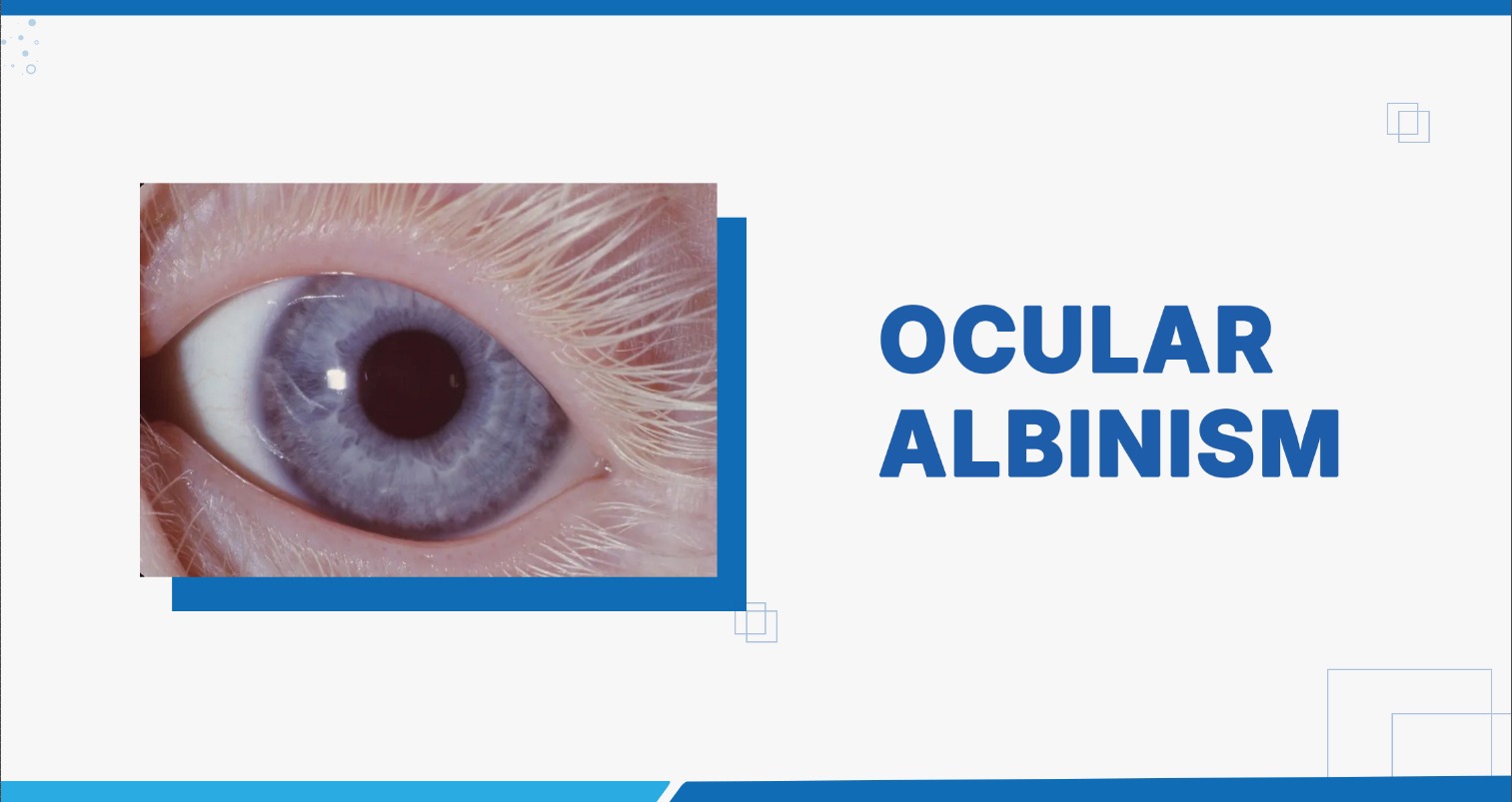
What is Ocular Albinism?
Ocular albinism (OA) is a genetic condition that primarily affects the eyes, leading to vision problems due to a lack of pigmentation in the retina and other parts of the eye. While albinism affects the body’s pigment-producing cells, ocular albinism specifically impacts the eyes, resulting in reduced visual acuity, nystagmus (involuntary eye movement), and other visual impairments. This condition is usually inherited in an X-linked recessive pattern, meaning it predominantly affects males, though females can be carriers.
Specific Conditions Related to Ocular Albinism
Reduced Melanin Production:
Ocular albinism occurs due to a deficiency in melanin, the pigment responsible for eye color and visual function. This leads to abnormalities in the development of the retina and other eye structures.
Foveal Hypoplasia:
A condition where the fovea (the area of the retina responsible for sharp central vision) does not develop properly, leading to visual impairment.
Nystagmus:
Involuntary, repetitive eye movements that affect visual stability.
Strabismus:
Misalignment of the eyes, which may occur alongside nystagmus, resulting in double vision or difficulty focusing.
Causes of Ocular Albinism
Genetic Mutations:
Ocular albinism is caused by mutations in the GPR143 (formerly known as OA1) (located on the X chromosome). This gene plays a crucial role in the proper development of pigment-producing cells in the retina.
X-Linked Inheritance:
OA is inherited in an X-linked recessive manner, meaning it mostly affects males who inherit the mutated gene from their mother, while females are typically carriers.
Family History:
A family history of albinism or related genetic conditions may increase the likelihood of ocular albinism in offspring.
Symptoms and Signs of Ocular Albinism
Reduced Visual Acuity:
Affected individuals may experience decreased sharpness in vision, especially in low-light conditions.
Nystagmus:
Rapid, involuntary eye movements that can hinder clear vision.
Photophobia:
Sensitivity to bright light, which may cause discomfort or difficulty seeing in well-lit environments.
Strabismus (Crossed Eyes):
Misalignment of the eyes, which can lead to double vision.
Light-colored Eyes:
People with ocular albinism may have very light-colored eyes, such as blue, gray, or light brown, due to a lack of pigment in the iris.
Foveal Hypoplasia:
An underdeveloped fovea can lead to difficulty with tasks requiring sharp central vision, such as reading.
Types of Ocular Albinism
Ocular Albinism Type 1 (OA1):
The most common form, caused by mutations in the GPR143 (formerly known as OA1). It primarily affects males and leads to significant vision impairment.
Ocular Albinism Type 2 (OA2):
A rarer form of the condition, characterized by less severe visual symptoms. OA2 is associated with mutations in the TYR, CACNA1F, or OCA2 gene.
Albinism with Ocular Involvement (Non-Ocular Albinism Types):
Some types of albinism, like oculocutaneous albinism, may also include skin and hair pigmentation deficiencies alongside eye involvement.
Treatment and Management of Ocular Albinism
1. Vision Correction:
Prescription glasses or contact lenses may help to improve visual acuity. Low-vision aids such as magnifiers can assist with tasks requiring detailed vision.
2. Nystagmus Management:
While nystagmus cannot be cured, its effects can be mitigated through the use of special lenses or eye movement therapy to improve visual stability.
3. Strabismus Treatment:
Eye exercises, corrective lenses, or even surgery may be used to treat misalignment of the eyes and improve vision.
4. Light Sensitivity Management:
Sunglasses or hats with brims can help reduce light sensitivity (photophobia) by blocking out bright light and glare.
5. Genetic Counseling:
For families affected by ocular albinism, genetic counseling can help with understanding the inheritance patterns, testing options, and family planning.
6. Regular Eye Exams:
Routine eye exams by an ophthalmologist or optometrist are important to monitor changes in vision and manage any emerging issues associated with ocular albinism.
Prevention Tips for Ocular Albinism
Genetic Counseling and Testing:
Couples with a family history of ocular albinism or who are carriers should consider genetic counseling before conception to understand the likelihood of passing the condition to their children.
Protecting the Eyes from UV Damage:
Since people with ocular albinism may have lighter irises, they should wear sunglasses with UV protection to prevent damage from ultraviolet rays.
Monitor Vision Changes Regularly:
Regular eye exams are essential for tracking changes in vision and addressing any complications like nystagmus, strabismus, or photophobia.
Promote Early Intervention:
Early diagnosis and management of ocular albinism can improve the quality of life, especially in terms of vision correction and support for developmental milestones.
Avoidance of Harmful Chemicals:
People with ocular albinism should avoid exposure to chemicals that could damage their eyes, including certain industrial products and cosmetics.
Key Takeaway
Ocular albinism is a genetic condition that primarily affects the eyes, leading to visual impairments such as reduced acuity, nystagmus, and sensitivity to light. Although there is no cure, early diagnosis, regular eye exams, and various treatments can significantly improve vision and quality of life for individuals affected by this condition.