Antioxidants and Eye Health: How They Help Protect Your Vision
Introduction
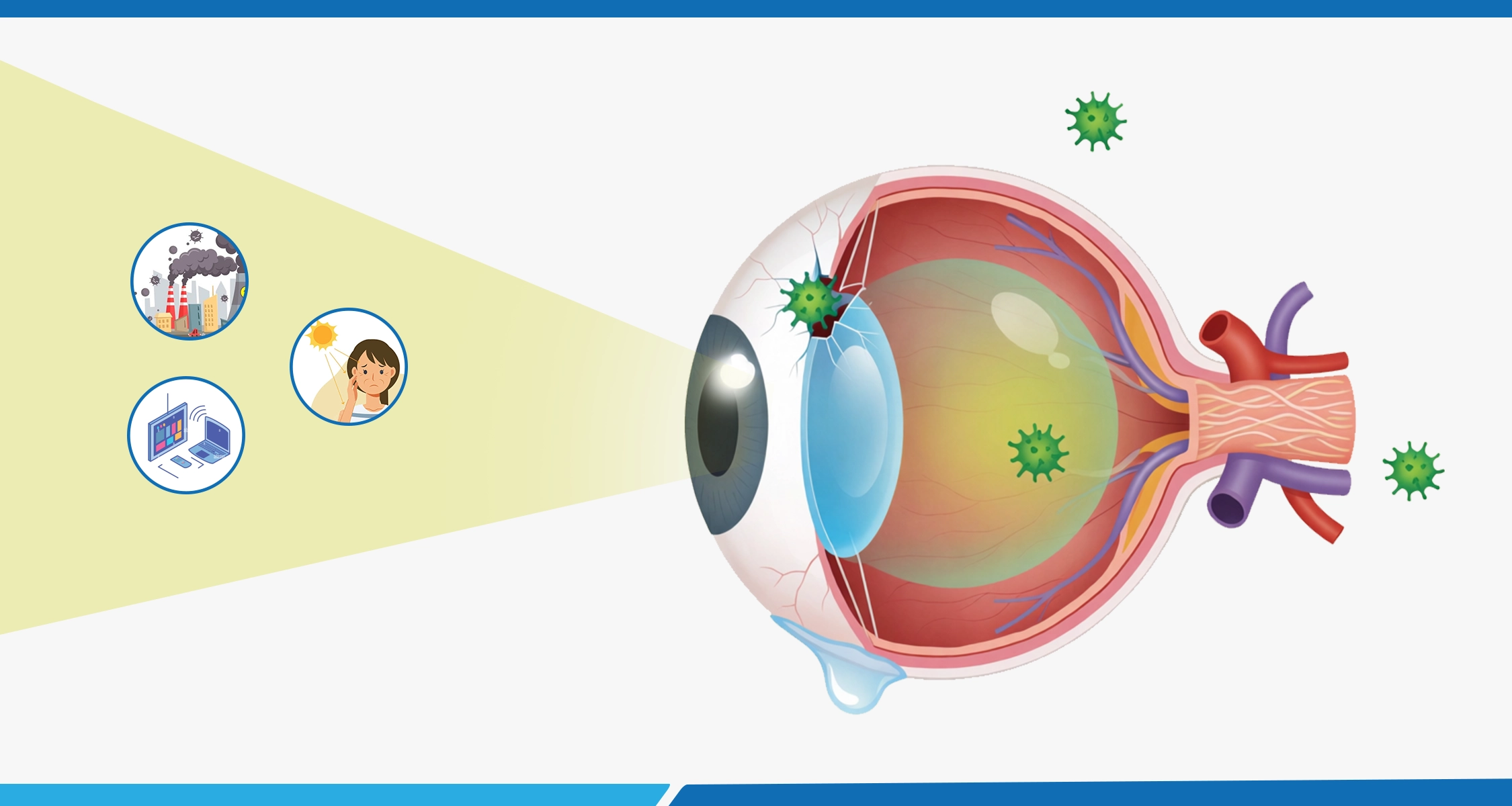
Your eyes work tirelessly every day, allowing you to read, drive, work, and enjoy the world around you. However, they are constantly exposed to sunlight, pollution, digital screens, and natural aging, all of which can generate harmful molecules known as free radicals.
Over time, free radicals can damage eye tissues through a process called oxidative stress, increasing the risk of certain age-related eye diseases.
This is where antioxidants play an important role. Antioxidants help neutralize free radicals, protecting the eyes from damage and supporting long-term vision.
At Drishti Eye Care System, we encourage a healthy lifestyle, balanced nutrition, and regular eye examinations to maintain healthy eyesight throughout life.
What Are Antioxidants?
Antioxidants are natural substances that help protect the body's cells from damage caused by free radicals.
Free radicals are unstable molecules produced during normal metabolism and through exposure to environmental factors such as:
- Sunlight (UV radiation)
- Air pollution
- Cigarette smoke
- Poor diet
- Chronic diseases
- Natural aging
When free radicals outnumber antioxidants, oxidative stress occurs, potentially damaging the eyes and other organs.
Why Are Antioxidants Important for Eye Health?
The eyes require large amounts of oxygen to function properly, making them especially vulnerable to oxidative stress.
Antioxidants help by:
- Protecting retinal cells
- Supporting healthy vision
- Reducing cellular damage
- Helping maintain lens clarity
- Supporting macular health
- Promoting healthy aging of the eyes
Although antioxidants cannot cure eye diseases, they contribute to maintaining healthy eye tissues.
Key Antioxidants That Support Eye Health
Vitamin C
Vitamin C is a powerful antioxidant found in high concentrations in the eye.
Benefits
- Protects eye tissues from oxidative stress
- Supports collagen production
- Helps maintain healthy blood vessels
- May contribute to healthy lens aging
Food Sources
- Oranges
- Lemons
- Kiwi
- Strawberries
- Bell peppers
- Broccoli
Vitamin E
Vitamin E protects cell membranes from oxidative damage.
Benefits
- Helps protect retinal cells
- Supports healthy aging
- Works with other antioxidants for cellular protection
Food Sources
- Almonds
- Sunflower seeds
- Hazelnuts
- Vegetable oils
- Peanuts
Lutein
Lutein is a naturally occurring carotenoid concentrated in the macula, the part of the retina responsible for central vision.
Benefits
- Filters harmful blue light
- Protects retinal tissue
- Supports healthy macular function
Food Sources
- Spinach
- Kale
- Broccoli
- Green peas
- Corn
Zeaxanthin
Zeaxanthin works alongside lutein to protect the retina from oxidative damage.
Benefits
- Supports central vision
- Helps filter blue light
- Protects retinal cells
Food Sources
- Orange peppers
- Corn
- Egg yolks
- Spinach
Zinc
Although technically a mineral rather than an antioxidant, zinc supports antioxidant activity and healthy retinal function.
Benefits
- Helps transport vitamin A to the retina
- Supports night vision
- Supports immune function
Food Sources
- Seafood
- Lean meats
- Beans
- Chickpeas
- Dairy products
Selenium
Selenium supports antioxidant enzymes that protect cells from oxidative stress.
Food Sources
- Brazil nuts
- Fish
- Eggs
- Whole grains
Antioxidants and Age-Related Eye Diseases
Research suggests that antioxidants may play a supportive role in maintaining eye health and, in some cases, slowing the progression of certain age-related eye conditions.
Age-Related Macular Degeneration (AMD)
The macula is responsible for detailed central vision.
Certain antioxidant formulations, when recommended by an eye care professional, may help slow the progression of intermediate or advanced AMD.
Cataracts
Oxidative stress contributes to the natural aging of the eye's lens.
A healthy diet rich in antioxidants may support overall lens health, although cataracts often develop naturally with age and may eventually require surgery.
Diabetic Eye Disease
People with diabetes experience increased oxidative stress.
Maintaining healthy blood sugar levels, eating a nutritious diet, and attending regular diabetic eye examinations remain essential for protecting vision.
Should You Take Antioxidant Supplements?
Not everyone needs antioxidant supplements.
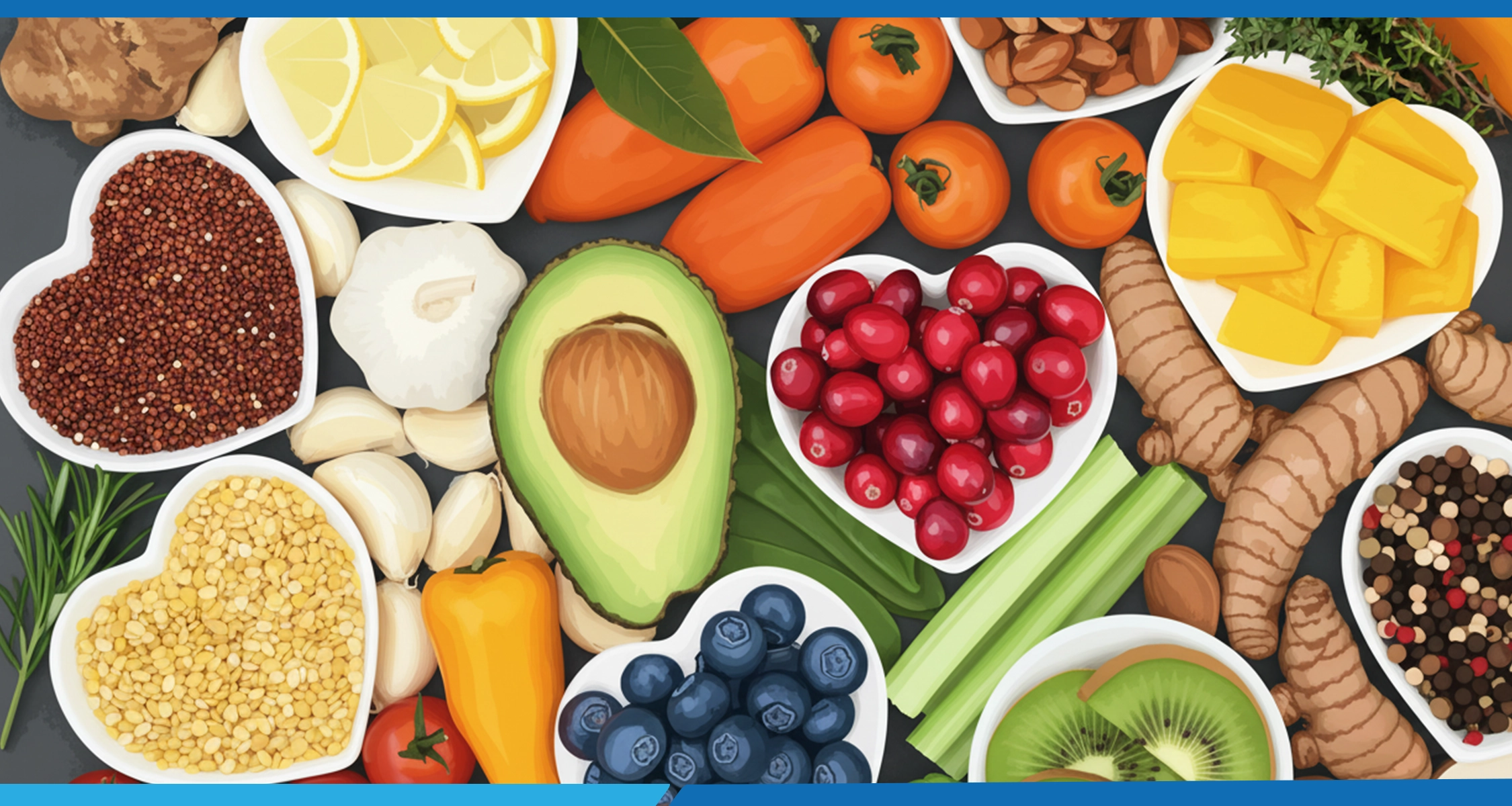
Most healthy individuals can obtain adequate antioxidants through a balanced diet rich in fruits, vegetables, whole grains, nuts, and fish.
However, an ophthalmologist may recommend specific formulations for selected patients with certain eye conditions, such as intermediate or advanced age-related macular degeneration.
Never start high-dose supplements without consulting your healthcare provider, as excessive intake may cause side effects or interact with medications.
Best Foods Rich in Antioxidants for Healthy Eyes
Include these foods regularly in your diet:
- Leafy green vegetables
- Citrus fruits
- Berries
- Carrots
- Sweet potatoes
- Tomatoes
- Bell peppers
- Salmon
- Sardines
- Eggs
- Almonds
- Walnuts
- Sunflower seeds
- Beans
- Whole grains
A colorful plate often means a wider variety of beneficial antioxidants.
Healthy Habits That Support Eye Health
Nutrition is just one part of maintaining healthy vision.
Also remember to:
- Schedule regular comprehensive eye examinations.
- Wear UV-protective sunglasses outdoors.
- Follow the 20-20-20 rule during screen use.
- Avoid smoking.
- Stay physically active.
- Control diabetes and high blood pressure.
- Get adequate sleep and stay hydrated.
Together, these habits help support lifelong eye health.
How Drishti Eye Care System Can Help
At Drishti Eye Care System, we provide personalized eye care to help you maintain healthy vision at every stage of life.
Our services include:
- Comprehensive eye examinations
- Retina and macular disease evaluation
- Diabetic eye screening
- Cataract assessment
- Nutritional guidance for eye health
- Dry eye management
- Personalized treatment plans
- Long-term monitoring of age-related eye diseases
Our experienced ophthalmologists use advanced diagnostic technology to detect eye conditions early and recommend the most appropriate care.
Call to Action
Healthy nutrition and regular eye care go hand in hand.
Protect your vision with a balanced diet, healthy lifestyle, and comprehensive eye examinations at Drishti Eye Care System.
📞 Call: +977-9801445222
🌐 Website: drishtieye.org
Drishti Eye Care System — Protecting Your Vision Through Expert Care and Healthy Living.