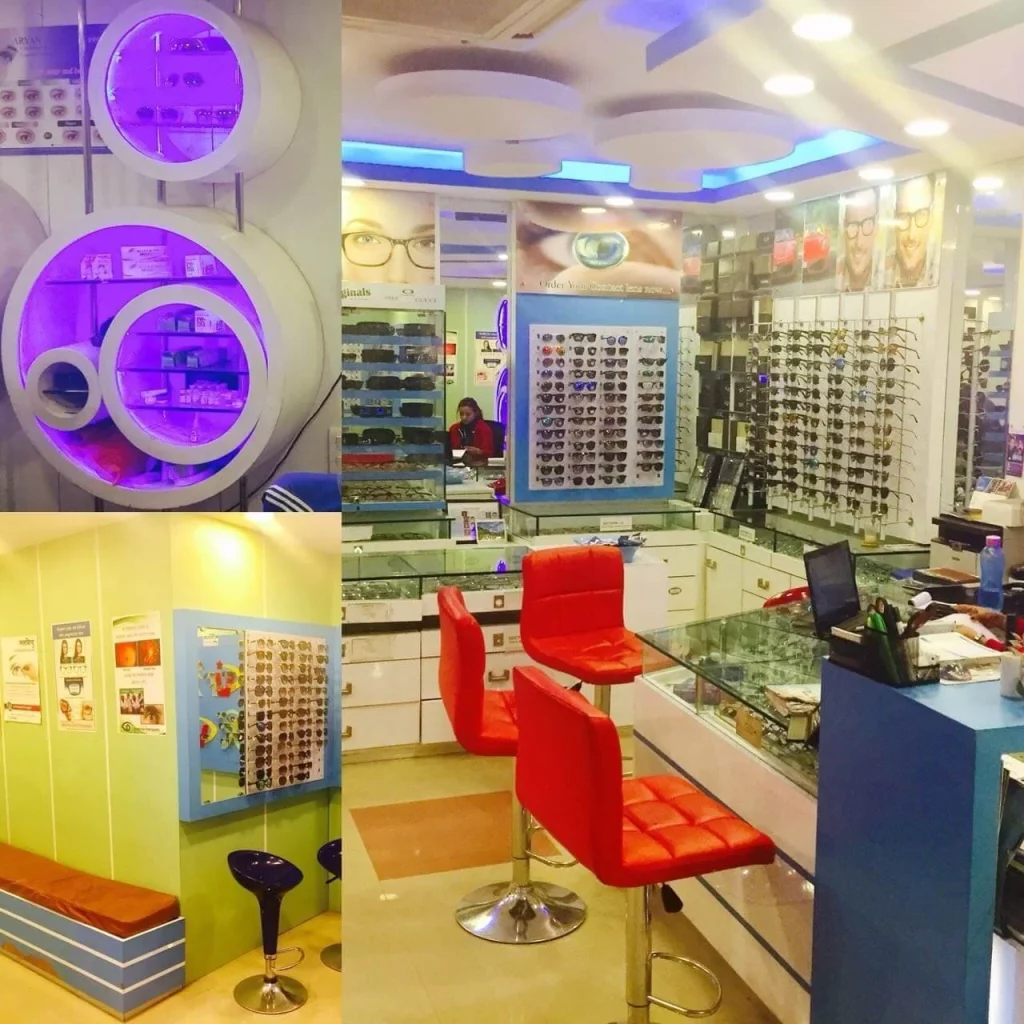
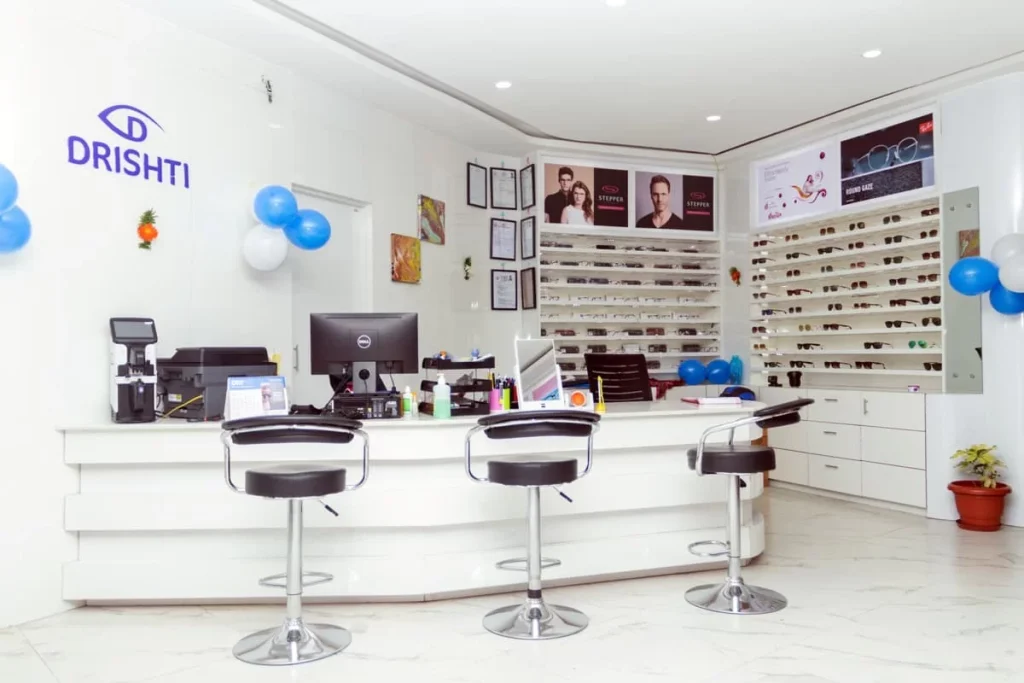
Drishti Eye & ENT Care System

Uncategorized

Understanding Glaucoma: A Comprehensive Guide
Uncategorized

Understanding Glaucoma: A Comprehensive Guide

Glaucoma is a group of eye conditions that progressively damage the optic nerve, crucial for vision. It’s often associated with increased pressure in the eye, known as intraocular pressure (IOP). Left untreated, glaucoma can lead to irreversible vision loss. Understanding this condition, its types, risk factors, and management strategies is essential for early detection and effective treatment.

Children's Eye Health and Safety
comprehensive eye, Eye Care Tips, Uncategorized

Children’s Eye Health and Safety

Do’s and Don’ts Do’s: Don’ts: Causes Symptoms Preventions Eye Safety Eye Care by Age Infants (0-2 years): Toddlers (2-5 years): School Age (6-12 years): Teens (13-18 years): Home Remedies When and Where to See a Doctor Importance of Routine/Regular Check-Ups Why Visit dev.drishtieye.org/  Conclusion Maintaining children’s eye health is crucial for their overall development and quality of life. By following preventive measures, staying aware of symptoms, and seeking regular professional care, parents can ensure their children’s vision remains healthy and robust. Early detection and timely intervention are key to preventing long-term eye issues. Regular visits to specialised eye care providers like Drishti Eye Clinic can provide the best care and guidance for maintaining optimal eye health.

Seeing Clearly: A Comprehensive Guide to Contact Lenses
Uncategorized

Seeing Clearly: A Comprehensive Guide to Contact Lenses

In today’s fast-paced world, clear vision is essential. Whether you’re an athlete, a student, a professional, or simply someone who wants to enjoy life without the hassle of glasses, contact lenses offer a convenient and effective solution. But with so many options available, navigating the world of contact lenses can feel overwhelming. That’s why we’ve put this comprehensive guide to help you understand everything you need to know about contact lenses, from how they work to how to care for them properly. Contact lenses are thin, curved membrane like structure that sit directly on the surface of your eye. They work by refracting light as it enters your eye, correcting vision problems such as nearsightedness, farsightedness, astigmatism, and presbyopia. A diverse range of contact lenses is available, and they are categorized according to various characteristics or classifications. Some commonly heard and talked-about types includes soft contact lenses, rigid gas permeable (RGP) lenses, daily disposable lenses, extended wear lenses, and colored lenses. Soft contact lenses are the most popular type and are made of flexible plastic-like breathable materials that allow oxygen to pass through to your cornea. RGP lenses, on the other hand, are made of rigid, durable materials that provide crisp vision and can be easier to handle. Daily disposable lenses are designed to be worn once and discarded at the end of the day, while extended wear lenses can be worn continuously for up to a week before needing replacement. Colored lenses are a fun option for changing or enhancing the color of your eyes for cosmetic purposes. Getting Started with Contact LensesBefore you can start wearing contact lenses, you’ll need to visit an eye care professional for a comprehensive eye exam and contact lens fitting. During this exam, your eye care professional will determine your prescription and assess your eye health to ensure that contact lenses are a safe and suitable option for you. They’ll also teach you how to insert, remove,and care for your lenses properly to minimize the risk of complications. Caring for Your Contact LensesProper lens care is crucial for maintaining eye health and maximizing the lifespan of your contact lenses. This includes cleaning and disinfecting your lenses daily, storing them in a clean case with fresh solution, and following your eye care professional’s recommendations for wearing and replacing your lenses. It’s also important to avoid wearing your lenses while swimming or showering, as water can introduce harmful bacteria and other microorganisms to your eyes. Contact lenses offer a convenient and effective way to correct vision problems, providing clear vision and comfort for millions of people worldwide. By understanding how contact lenses work, how to care for them properly, and addressing common concerns and questions, you can enjoy the benefits of clear vision and enhanced quality of life with confidence. Remember to consult your eye care professional for personalized advice and guidance on your contact lens journey. FAQs:What are contact lenses?Contact lenses are thin, curved membrane-like structure that sit directly on the surface of your eye to correct visionproblems. How do contact lenses work?Contact lenses work by refracting light as it enters your eye, focusing it directly onto your retina to produce clear vision. What types of contact lenses are available?There are several types of contact lenses available, including soft contact lenses, RGP lenses, daily disposable lenses, extended wear lenses, and colored lenses. Are contact lenses safe?When used properly and under the guidance of an eye care professional, contact lenses are considered safe. However, improper use can increase the risk of eye infections and other complications. How do I get contact lenses?To get contact lenses, you’ll need a prescription from an eye care professional. They’ll perform a comprehensive eye exam to determine your prescription and assess your eye health before fitting you with the appropriate lenses. How do I care for contact lenses?Proper lens care includes cleaning and disinfecting your lenses daily, storing them in a clean case with fresh solution, and following your eye care professional’s recommendations for wearing and replacing your lenses. Can I wear contact lenses while swimming or showering?It’s not recommended to wear contact lenses while swimming or showering, as water can introduce harmful bacteria to your eyes. What should I do if I experience discomfort while wearing contact lenses?If you experience discomfort, redness, or irritation while wearing contact lenses, remove them immediately and consult your eye care professional. Can I wear contact lenses if I have astigmatism?Yes, there are contact lenses specifically designed to correct astigmatism, known as toric lenses. How long can I wear contact lenses each day?The wearing time for contact lenses varies depending on the type of lenses you have and your individual eye health needs. Are there age restrictions for wearing contact lenses?While there are no specific age restrictions for wearing contact lenses, children and teenagers should be mature enough to handle and care for their lenses responsibly. Can I wear contact lenses if I have dry eyes?Yes, there are contact lenses specifically designed for individuals with dry eyes, such as daily disposable lenses made from materials that retain moisture. Are contact lenses covered by insurance?In many cases, vision insurance plans may cover the cost of contact lenses, but coverage varies depending on your specific plan. Can I wear contact lenses while playing sports?Yes, contact lenses provide clear vision and freedom of movement, making them a popular choice for athletes and sports enthusiasts. How often should I replace my contact lenses?The replacement schedule for contact lenses varies depending on the type of lenses you have, ranging from daily disposables to monthly replacements.

Pediatric Hearing Screening: An essential health measure to identify hearing loss in children early
Uncategorized

Pediatric Hearing Screening: An essential health measure to identify hearing loss in children early

Pediatric hearing screening is an essential health measure that identifies hearing loss in children early, aiming to prevent developmental delays. The screening, conducted shortly after birth, utilizes tests like the Automated Auditory Brainstem Response (AABR) and Otoacoustic Emissions (OAE) to detect potential hearing issues. Early identification through screening enables prompt intervention, which can range from hearing aids to cochlear implants, significantly aiding in the child’s speech and language development. The process, while primarily targeting newborns, extends into later childhood to monitor for progressive or late-onset hearing loss. The effectiveness of these screening programs hinges on their ability to accurately differentiate between children with and without hearing loss, minimizing false positives and negatives. Successful screening programs require a structured follow-up for those who fail initial tests to confirm the presence of hearing loss and to initiate early intervention. Continued surveillance is vital for identifying children who develop hearing loss after the newborn period. This approach ensures ongoing support and management, optimizing the child’s ability to develop communication skills. Implementing widespread pediatric hearing screening faces challenges, including logistical complexities and the need for accurate, reliable testing methods. The ultimate goal of these initiatives is to integrate screening into broader public health strategies, ensuring all children with hearing impairments receive timely and effective treatment and support. शिशु श्रवणशक्ति जाँच एउटा अति आवश्यक स्वास्थ्य उपाय हो जसले बालबालिकाहरूमा बधिरता पहिचान गरी विकासात्मक ढिलाइलाई रोकथाम गर्न खोज्दछ। जन्मेदेखि नै गरिने यो जाँच स्वचालित श्रवणतन्त्र-मस्तिष्क प्रतिक्रिया (एएबिआर) र कर्णाभ्यन्तरिक श्रवण उत्सर्जन (ओएई) जस्ता परीक्षणको प्रयोग गरी संभावित श्रवणदोष समस्याहरू पहिचान गर्दछ। बधिरता शुरुवातीमै पहिचान हुनाले चाँडो चिकित्सा-हस्तक्षेप गर्न सकिन्छ, जस्तै श्रवणयन्त्र वा कर्णकोषान्तर्प्रत्यारोपण गरी बालबालिकाको भाषा र बोली विकासमा महत्वपूर्ण सहयोग मिल्छ। यो प्रक्रिया प्राथमिकताका रूपमा नवजात शिशुमा लागू गरिए पनि ठूला बच्चाहरूमा पनि नियमित अनुगमन गरिन्छ, जसले गर्दा क्रमिक वा देरीबाट प्रकट हुने बधिरता पहिचानमा सहज हुन्छ।  यी जाँचकार्यक्रमहरूको प्रभावकारिता बधिर र श्रवणशक्तिसम्पन्न बालबालिकाहरूबिच विभेद गर्ने क्षमतामा निर्भर गर्दछ, ताकि गलत धनात्मक वा ऋणात्मक घटनाहरू न्यून भएर वास्तविक अवस्था थाहा पाउन सकिन्छ। सफल जाँचकार्यक्रममा पहिले नै बाँकी नतिजा भएकाहरूलाई अनुगमन गरी बधिरताको पुष्टि गर्ने र चाँडो चिकित्सा-हस्तक्षेप गरिने व्यवस्था हुनुपर्दछ। शुरुवातको जाँचपछि बधिरता देखा परेकाहरूको लागि निरन्तर अनुगमन गर्नुपर्छ, जसले बालबालिकाको संवाद सिपको विकासमा सहयोग पुग्छ। शिशु श्रवणशक्ति जाँच व्यापक रूपमा लागू गर्दा ढुवानी र भरपर्दो परीक्षण विधिको चुनौतीबाट गुज्रनु पर्छ। यी कार्यक्रमहरूको मुख्य उद्देश्य लक्षित समूहका सबै बधिर बालबालिकाहरूले समयमै व्यवस्थित उपचार र सहायता प्राप्त गर्ने सुनिश्चित गर्नु हो। शिशु श्रवणशक्ति जाँचका प्रक्रियाहरू र समयावधि: १. नवजात शिशु जाँच: जन्मेको एक महिनाभित्र सबै नवजात शिशुहरूलाई एएबिआर र ओएई परीक्षणबाट जाँच गर्नुपर्छ। यसले जन्मजात बधिरता पहिचान गर्न मद्दत गर्दछ। २. १८-२४ महिनाको उमेरमा जाँच: यस उमेर समूहमा जाँच गर्नुपर्छ किनभने यही समयमा बालबालिकाहरूको भाषा विकास चरममा हुन्छ। ३. ३-४ वर्षको उमेरमा जाँच: विद्यालय प्रवेश अगावै यो जाँचले बधिरताका कारण विकास प्रभावित नहोस् भन्ने सुनिश्चित गर्दछ। ४. विद्यालय प्रवेशको बेलामा जाँच: यसले विद्यालय शुरू गर्नुअघि नै कुनै पनि बधिरता भएको छ छैन पत्ता लगाउँछ।  ५. जाँचमा असफल भएकाहरूको पुनः जाँच: कुनै पनि चरणमा जाँच असफल भएमा विस्तृत श्रवणशक्ति परीक्षणका लागि छिटो सिफारिस गरिनुपर्छ। ६. निरन्तर अनुगमन: बधिरता पहिचान भएका बालबालिकाहरूलाई नियमित रूपमा अनुगमन गरिनुपर्छ। समयमै शिशु श्रवणशक्ति जाँच गराउनाले बधिरताको पहिचान र उचित उपचार शुरू गर्न सकिन्छ, जसले भाषा र संवाद सिप विकासमा सहयोग मिल्छ। अभिभावकहरूलाई यी जाँचको महत्त्व र समयावधिबारे जानकारी गराउनु महत्त्वपूर्ण छ। ऑटोमेटेड श्रवणतन्त्र-मस्तिष्क प्रतिक्रिया (एएबिआर) र कर्णाभ्यन्तरिक श्रवण उत्सर्जन (ओएई) नवजात शिशु र बालबालिकाहरूको श्रवणशक्ति मूल्याङ्कनका प्रमुख नैदानिक टुल्स हुन्। एएबिआर एक तन्त्रिकशरीरविज्ञान परीक्षण हो जसले कर्णकोष देखि मस्तिष्कको अग्रभ!

Alkaline Nasal Douching
Uncategorized

एल्कलाइन नासल डुचिंग भनेको के हो?

परिचय नाकको स्वास्थ्य हाम्रो समग्र स्वास्थ्यको लागि अत्यन्त महत्वपूर्ण छ। काठमाडौँका धुलो र प्रदूषण भरिएका सडकहरूमा, नाकका मार्गहरूलाई सफा राख्नु आवश्यक छ। एल्कलाइन नासल डुचिंग परम्परागत नासल इरिगेसन प्रक्रियामा एक विशेष सुधार हो, जसले एल्कलाइन घोल प्रयोग गरी नाकको गुहालाई सफा गर्दछ। यो तकनीक हाम्रो पूर्वजहरूको ज्ञानमा आधारित छ र आधुनिक स्वास्थ्य चुनौतीहरूलाई सम्बोधन गर्दछ, जसले यसलाई हाम्रो दैनिक स्वच्छता दिनचर्यामा महत्वपूर्ण थप्नुपर्ने प्रक्रिया बनाउँछ। एल्कलाइन नासल डुचिंगको विज्ञान एल्कलाइन नासल डुचिंग सामान्य सलाइन इरिगेसनबाट फरक पर्दछ किनकि यसले एल्कलाइन घोल प्रयोग गर्दछ, जसले नाकको म्यूकोसामा अधिक प्रभाव पार्दछ। एल्कलाइन वातावरणले फोहोर र रोगजनकहरूलाई सलाइन घोलभन्दा राम्ररी सफा गर्न मद्दत गर्दछ। यो विधि हाम्रो शारीरिक कार्यप्रणालीको गहिरो बुझाइमा आधारित छ र अहिलेको अनुसन्धानले पनि यसका फाइदाहरूलाई समर्थन गर्दछ। एल्कलाइन नासल डुचिंगका फाइदाहरू एल्कलाइन घोल प्रयोग गरेर नासल डुचिंग गर्दा धेरै फाइदाहरू हुन्छन्: – नाकका फोहोरहरू र रोगजनकहरूलाई अधिक प्रभावकारी तरिकाले हटाउँछ, जसले नाकका मार्गहरूलाई सफा राख्दछ। – नाकको भीडभाड र साइनसाइटिसका लक्षणहरू कम गर्दछ। – साइनस संक्रमणको रोकथाममा मद्दत गर्दछ। यद्यपि यसका फाइदाहरू चिनिएका छन्, दैनिक जीवनमा एल्कलाइन नासल डुचिंगको अभ्यास आवश्यक भन्दा कम गरिन्छ। दाँत माझ्ने र अनुहार धुने जस्तै, यस प्रक्रियालाई पनि हाम्रो दैनिक स्वच्छता दिनचर्यामा समावेश गर्नुपर्छ। एल्कलाइन नासल डुचिंग कसरी गर्ने एल्कलाइन घोल तयार पार्न नैनआयोडाइज्ड नुन र सफा पानी मिसाई, सोडियम बाइकार्बोनेट (बेकिंग सोडा) केही मात्रा थप्नुहोस्। नेटी पट वा स्क्विज बोतल प्रयोग गरी, घोललाई धीरे-धीरे प्रत्येक नासिका मार्गमा फ्लश गर्नुहोस्। कहिले र कति पटक एल्कलाइन नासल डुचिंग गर्ने एल्कलाइन नासल डुचिंगलाई सबै उमेर समूहका मानिसहरूका लागि दैनिक दिनचर्यामा समावेश गर्न सकिन्छ। यसको आवृत्तिलाई व्यक्तिगत आवश्यकता अनुसार समायोजन गर्न सकिन्छ, विशेष गरी प्रदूषण र धूलो भएका क्षेत्रहरूमा बस्नेहरूलाई दैनिक रूपमा प्रयोग गर्न सल्लाह दिइन्छ। सम्भावित जोखिमहरू र तिनीहरूलाई कसरी टाल्ने एल ्कलाइन नासल डुचिंग सामान्यतया सुरक्षित छ तर नाकको जलन वा संक्रमण जस्ता सम्भावित जोखिमहरूलाई टाल्न सफा पानी प्रयोग गर्नुपर्छ र प्रयोग पछि सबै उपकरणहरूलाई स्टेरिलाइज गर्नुपर्छ। निष्कर्ष एल्कलाइन नासल डुचिंग हाम्रो पुरानो ज्ञान र आधुनिक स्वास्थ्य आवश्यकताहरू बीचको सेतु हो। यो सरल तर प्रभावकारी तकनीक अपनाएर, हामी हाम्रो वंश परम्परालाई सम्मान गर्दै नाक र श्वासप्रश्वास स्वास्थ्यलाई सुधार्ने कदम चालेका छौं। यो अभ्यासले न केवल हाम्रो पूर्वजहरूको ज्ञानलाई जीवन्त राख्छ तर काठमाडौँ जस्ता वातावरणमा आधुनिक स्वास्थ्य चुनौतीहरूलाई पनि सामना गर्न मद्दत गर्दछ। कल टू एक्शन हामी सबैलाई स्वास्थ्य पेशेवरहरू वा ईएनटी विशेषज्ञहरूसँग व्यक्तिगत सल्लाह र निर्देशनका लागि परामर्श गर्न आग्रह गर्दछौं। एकसाथ, हामी यस प्राचीन अभ्यासलाई पुनः जीवित गर्न सक्छौं, यसलाई हाम्रो दैनिक स्वास्थ्य दिनचर्यामा महत्वपूर्ण स्थानमा राखेर।

Scroll to Top

For Collaboration

Your information are 100% safe with us

collaborate

Our Locations

Battar Branch

Battar

Opposite to Nuwakot Adarsha Multiple Campus, Battar

Birgunj Branch

Birgunj

Power House Chowk, Birgunj, Parsa

Birtamode Branch

Birtamode

09 Sanikmode, Birtamode, Nepal

Chabahil Branch

Chabahil

Biswajyoti Mall, Ground Floor Jamal, Kathmandu

Kalanki Branch

Kalanki

Syuchatar Chowk, Kalanki, Kathmandu

New Baneshwor Branch

New Baneshwor

New Baneshwor, Kathmandu, Nepal

1 / 6
Battar Branch

Battar

Opposite to Nuwakot Adarsha Multiple Campus, Battar

Birgunj Branch

Birgunj

Power House Chowk, Birgunj, Parsa

Birtamode Branch

Birtamode

09 Sanikmode, Birtamode, Nepal

Chabahil Branch

Chabahil

Biswajyoti Mall, Ground Floor Jamal, Kathmandu

Kalanki Branch

Kalanki

Syuchatar Chowk, Kalanki, Kathmandu

New Baneshwor Branch

New Baneshwor

New Baneshwor, Kathmandu, Nepal